50th anniversary of the first man on the moon. Spain made it possible.
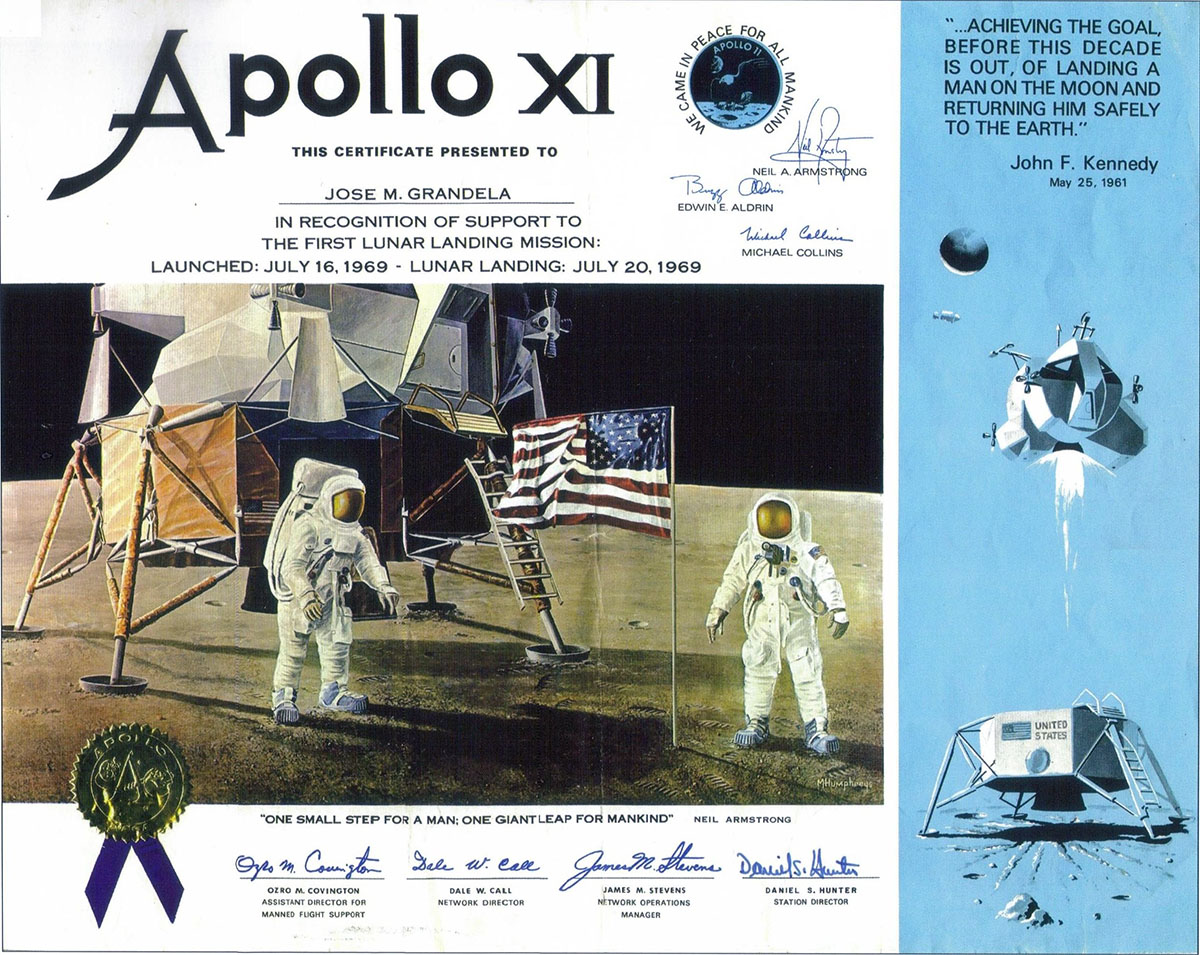
On 20 July 1969, two Americans, Neil Armstrong and Edwin Aldrin, set foot on another celestial body, the Moon, for the first time "in the name of all mankind", as a plaque on the spacecraft read. Eagle (Eagle), on which they had landed on the moon. That mission, christened Apollo XIThe third man, Mike Collins, who remained alone on the ship, was also on board. Columbia orbiting our satellite, waiting to pick up their companions to return to Earth together. The dangerous journey was a complete successand so it has remained in the annals of history.
Neil Armstrong: "Without the vital communications between Apollo XI and the Apollo Madrid space station in Fresnedillas, it is safe to say that our landing on the Moon would not have been possible.
In 1961, President Kennedy convinced Congress to "....put a man on the moon before the end of the decade". The United States National Aeronautics and Space Administration (NASA)The challenge was taken up, immediately calling on the most outstanding international specialists in multiple fields of science and engineering, as a feat of such magnitude demanded.
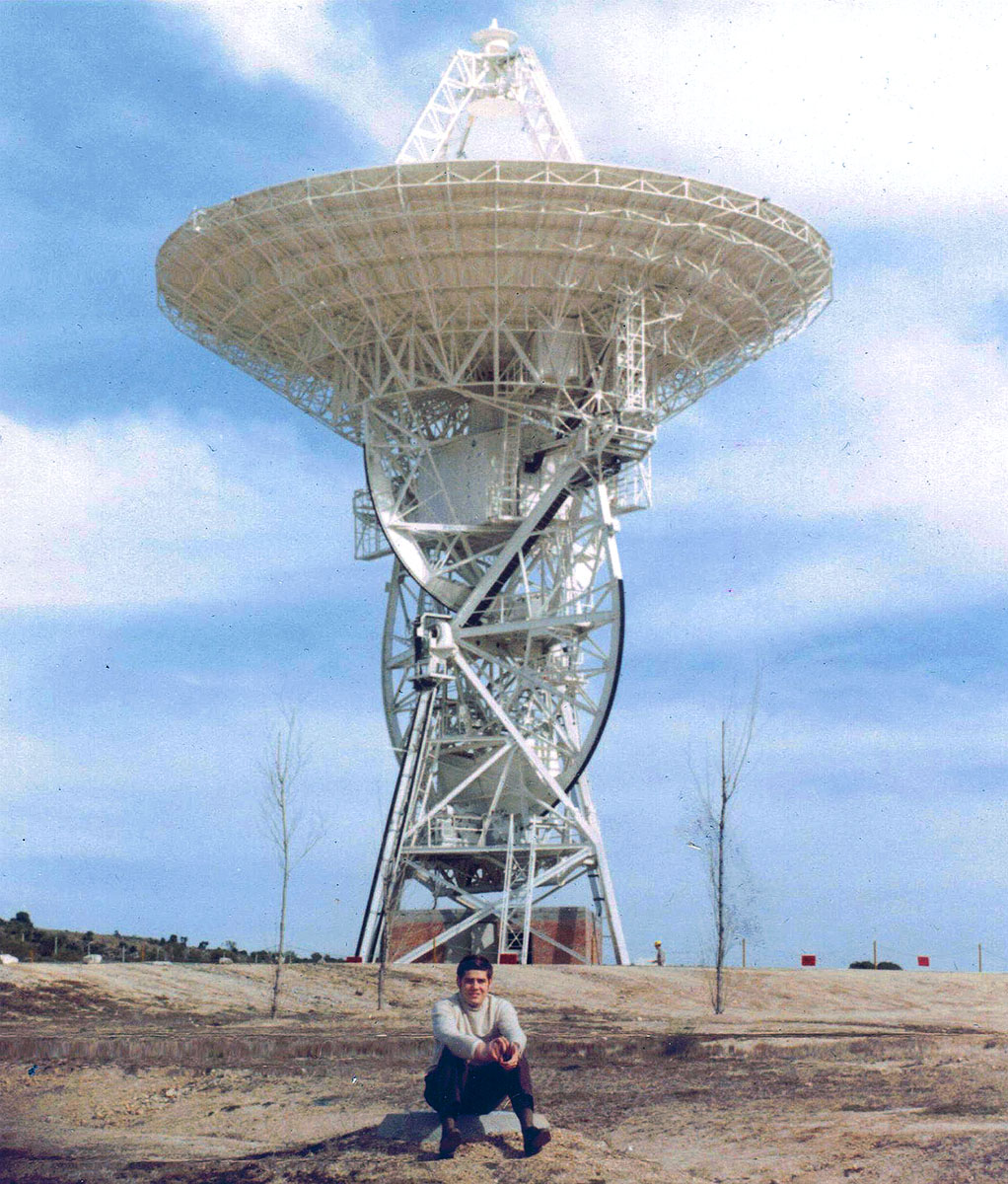
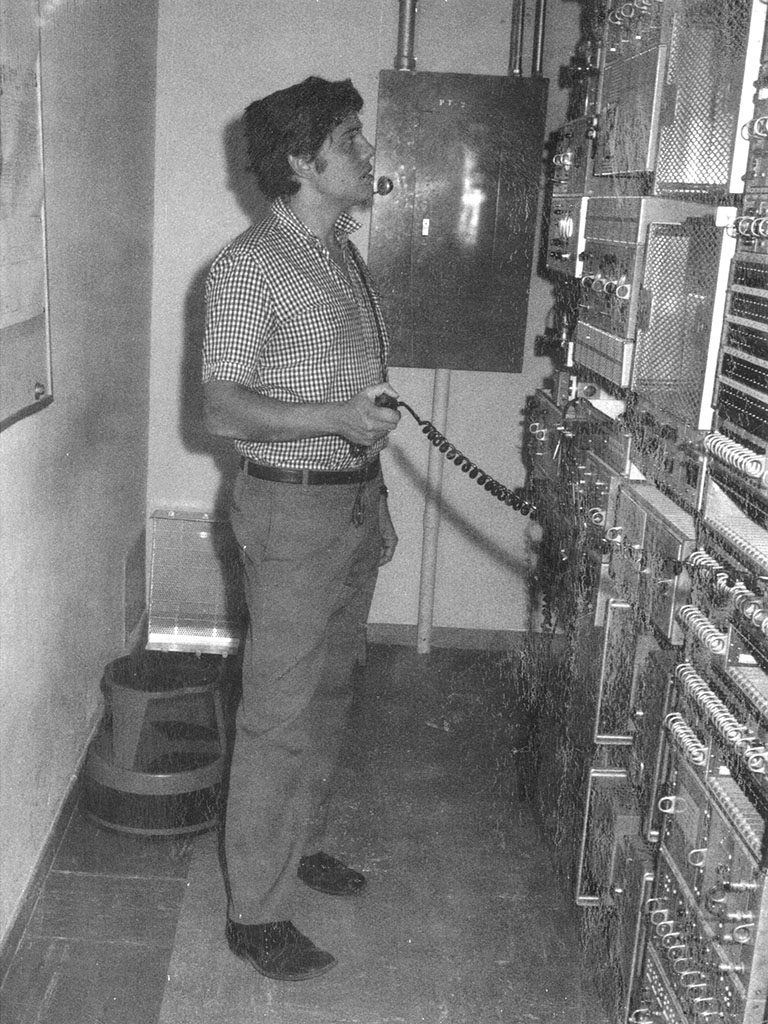
The complexity of the flights of the Programme Apolloand the crew safetydemanded a instant communication between ships and control centres on Earth.. This is how Spain entered through the National Institute for Aerospace Technology (INTA), which provided its space monitoring and control stations in Fresnedillas de la Oliva and Robledo de Chavela (Madrid) and Maspalomas (Gran Canaria). The Spanish technicians - side by side with the Americans - scrupulously monitored the vital signs of the astronauts, and processed the avalanche of data arriving from the Moon while transmitting countless instructions to ensure correct space navigation, also indicating the exact place and time of the Moon landing. Not without reason, such irreplaceable assistance was called "The Vital Link".
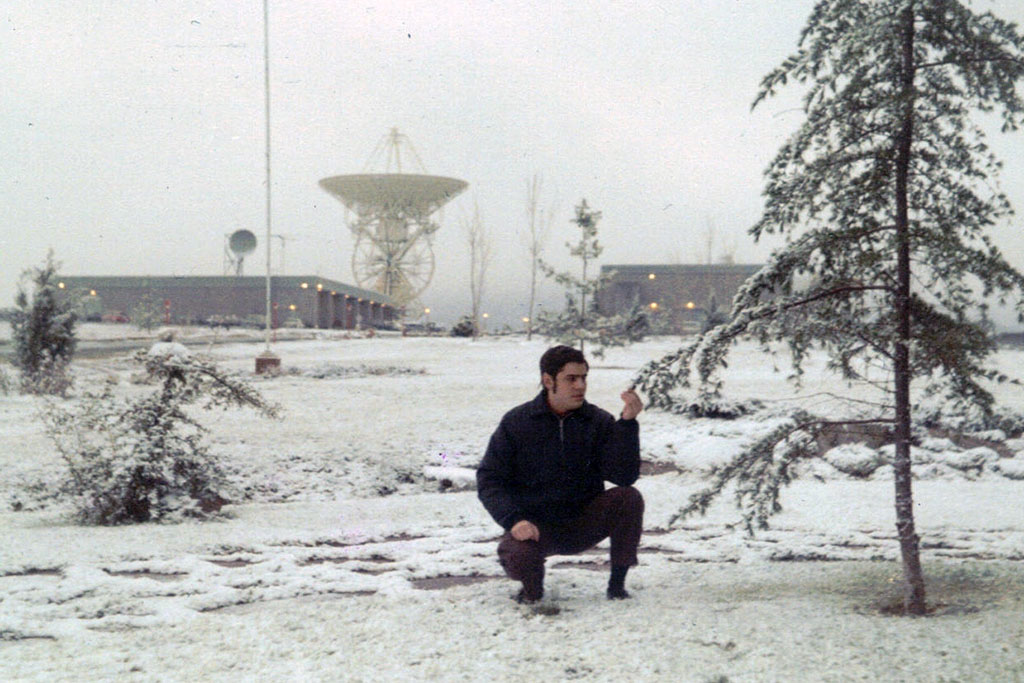
The climax of the first moon landing was the Fresnedillas station (Madrid Apolloand his men who had the responsibility and honour of directly assisting in the descent of the spacecraft. Eagle and its crew members Armstrong and Aldrin. Armstrong's words: "The Eagle has landed." they were thrilled first in Fresnedillas before being heard in Houston.
Later, Armstrong's trembling footsteps left their mark on the lunar surface, culminating in the greatest collective feat ever undertaken by mankindthat Spain and a group of Spaniards had made possible. This was confirmed publicly by Armstrong himself at a press conference in Madrid, during his visit to Madrid on 7 October 1969, when he stated:
"Without the vital communications between Apollo XI and the Apollo Madrid space station in Fresnedillas, it is safe to say that our landing on the Moon would not have been possible.
I humbly agree with Neil Armstrong.
José Manuel Grandela
Former INTA-NASA Spacecraft Controller Engineer