For many rock fans, the term Fliying-V can only evoke the legendary Gibson electric guitar, which in 1958, the year in which it was designed, had a design that was futuristic to say the least.
Over the last decade we have been able to dream about different aircraft concepts of the futureWhether they are wing-shaped, electric, solar-powered, etc., they all have one thing in common: they all have one thing in common: they all have one thing in common: they all have one thing in common. They all have one thing in common: efficiency, sustainability and cost reduction. Although some refuse to believe it, the future is closer than ever and is calling for a shift towards the use of renewable energies, towards the reduction of greenhouse gas emissions, towards sustainable models, and all this before it is too late.
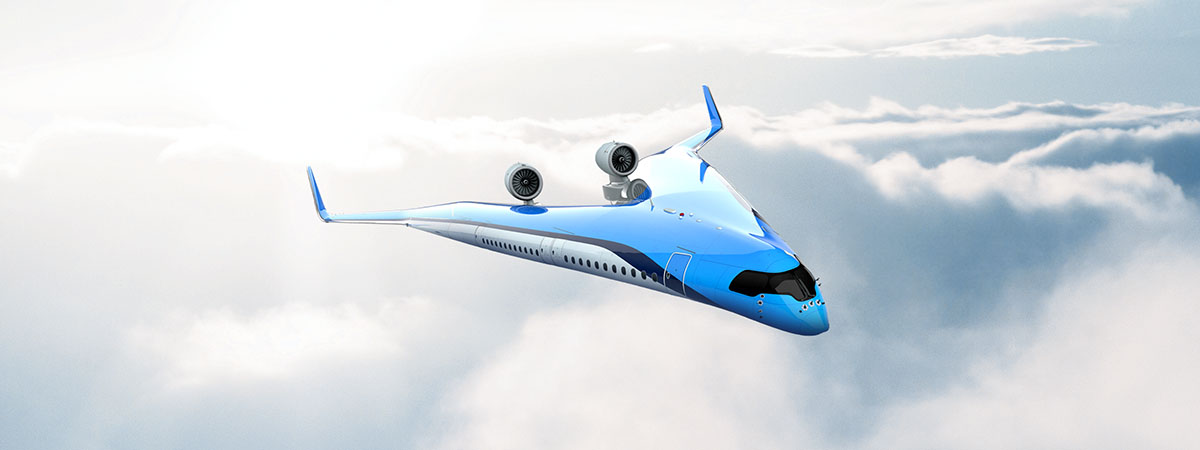
This commercial aircraft prototype breaks with traditional aircraft configuration and design in a quest for greater efficiency, sustainability and cost reduction.
With this in mind, the KLM airline and TU Delft University its prototype Flying-V. Its design was unveiled in 2019 and in July 2020 the first scale prototype made its maiden flight in Germany. Researchers have estimated a 20% reduction in consumption due to the reduction of aerodynamic drag due to its design and the use of lightweight materials for its construction.
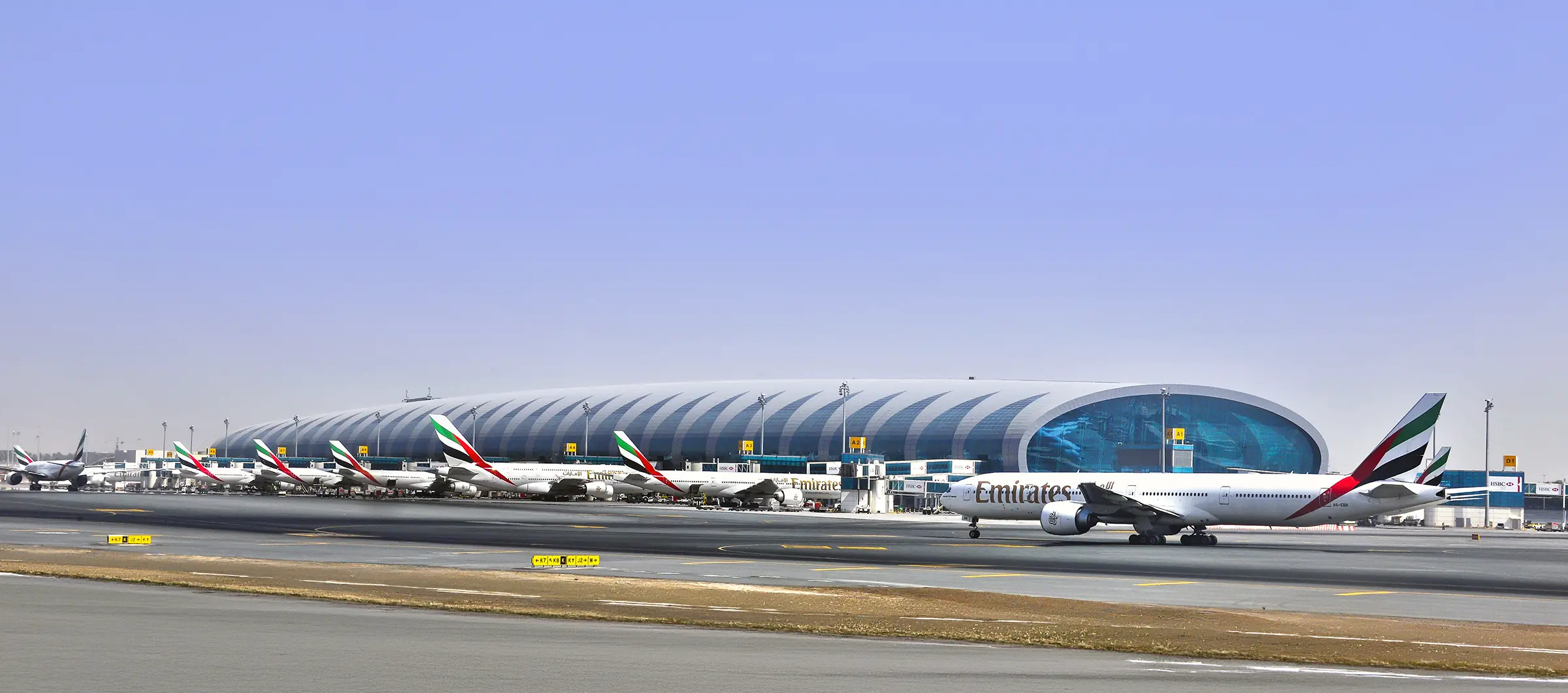
The Flying-V is designed as two V-shaped fuselageswhich are actually the wings, joined by the cockpit. The design is such that the wings contain the passengers, cargo and fuel, i.e. practically everything. It is estimated that it can carry 314 passengers and can carry up to 440 in a high occupancy configuration, although this number will depend on the configuration that each airline decides to adopt. It will be 55 metres long, 17 metres high and have a wingspan of 65 metres. From an airport point of view, an existing stand where the modern A350 can be parked could also accommodate the Flying-V while safeguarding all safety requirements.
One easily noticeable feature is the absence of horizontal tail stabiliserFor this reason, stability is achieved through the aerodynamic centre of the wings, located behind the centre of gravity. On the other hand, pitch and roll are executed by the segmented trailing edge ailerons of the wings, while yaw is achieved by vertical rudders on the winglets.
If we take a closer look at this prototype, we can see that it also has no flapsThe elimination of this element implies a reduction in production and maintenance costs, but then what element performs the function of the flaps? According to the researchers, the wing area of the Flying-V is approximately twice that of the A350, and therefore no need for additional hypersustaining elements. On landing, aerobrakes have been incorporated into the landing gear fairing that do not interfere with the aerodynamics of the wing, making it more efficient. The landing gear has also been made longer to provide a greater angle of attack for take-offs and to generate lift more quickly without the need for flaps.
And what are the engines like? The engines have been positioned just behind the trailing edge of the wing and the pylon on which the nacelle rests is attached to the main landing gear structure. By being positioned behind the wing, and therefore behind the passenger cabin, noise would be attenuated, improving passenger comfort. The engines will be turbofan very efficient, and the developers intend to have the possibility of configuring the Flying-V with other kinds of renewable energy engines which is the ultimate goal.
As for the cabin interior, it is likely to be one of the things that will vary the most compared to the final model, should it be produced over the next decade. Due to the position of the cabin with the direction of flight, a staggered row seating interior has been proposed, the benefit of this configuration is that the armrests are individual and you don't come into contact with the passengers on either side. Another proposed seating arrangement is the famous table of four that we often see on high-speed trains. For long journeys, a triple sleeping berth has been devised, which can be converted into a three-seater bench for take-offs and landings or whenever the three people decide (we assume this is designed for passengers travelling together). Lastly, a series of seats have been proposed as Chaise Longue hanging from the ceiling for greater reclining capacity.
Last July's maiden flight of the Flying-V prototype was a great success for further development. A number of results were achieved as a result of this flight:
- Rotation on take-off was easily accomplished. Aircraft thrust was good and flight speeds and angles were as expected.
- The aircraft's centre of gravity was located slightly further back than had been calculated beforehand.
- The current design exhibits "wobble", which in aeronautics is known as, Dutch Roll. This makes it difficult to keep the wings level and caused the aircraft to have a somewhat rough landing. Aerodynamic calculations had predicted this behaviour, but now that it has been demonstrated in a real flight, the team will be able to adjust the aircraft accordingly.
Thanks to this first flight of the scale prototype, researchers will be able to make modifications and continue testing in search of the safest and most efficient model, and eventually move on to developing the full-scale prototype.
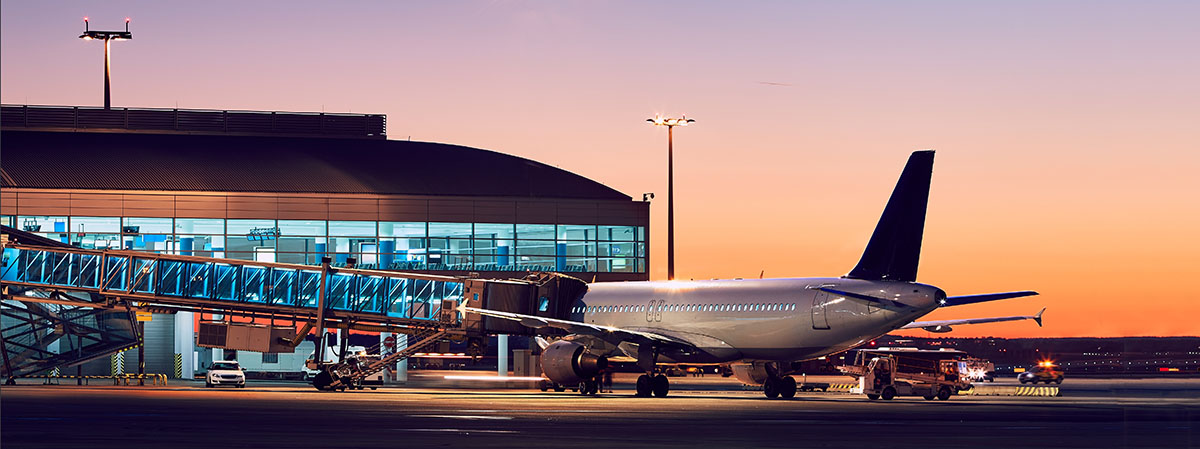
During the process, in addition to the investigation of the airworthiness of the aircraft, the impact on existing airport infrastructuressuch as turning on taxiways, couplings with gangways, etc. Nor should we forget the necessary study of the effect on passengers, since most of them will be further away from the axis of rotation in the roll manoeuvre than in any current aircraft, which could easily cause dizziness.
If all the studies and developments come to fruition, it is estimated that in the 2030s we could witness the first commercial flights of this aircraft and we could also be part of a revolution in the commercial aeronautical sector.