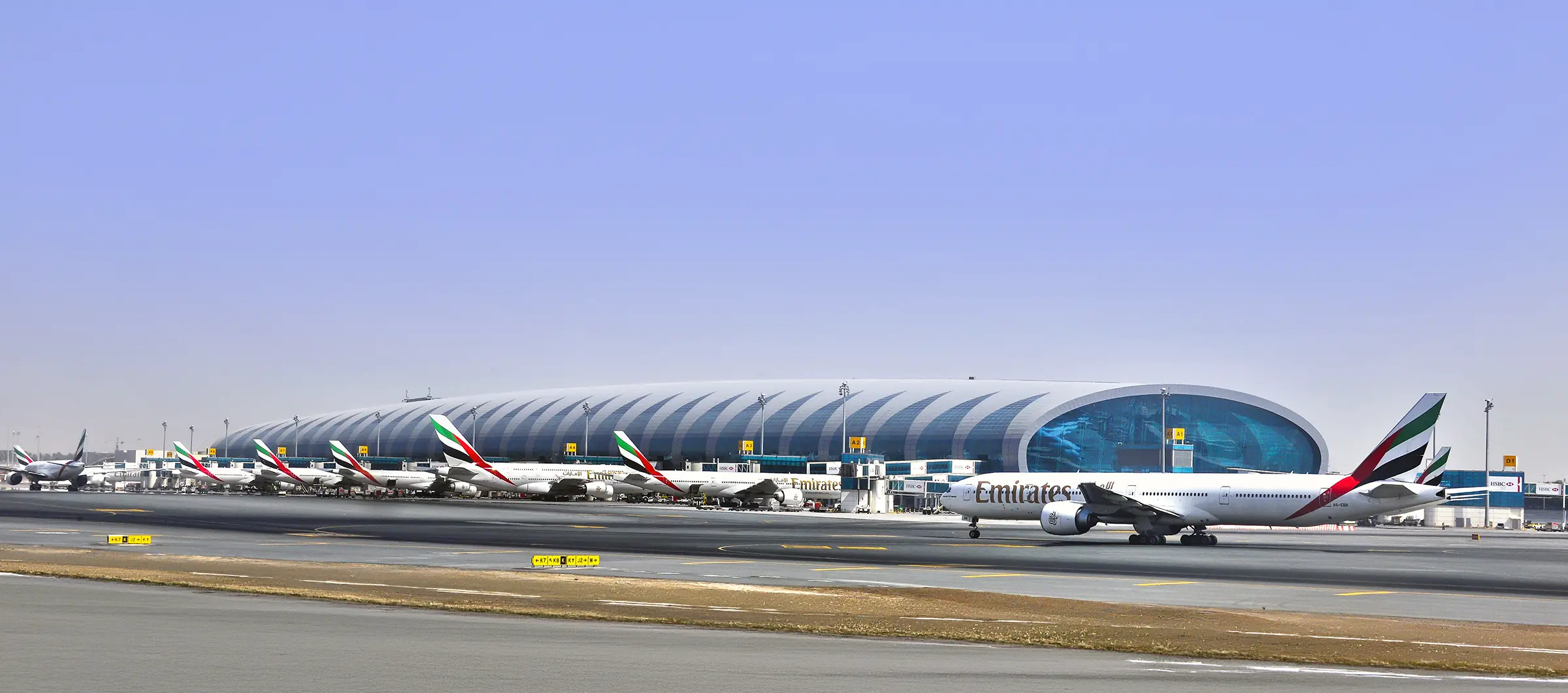
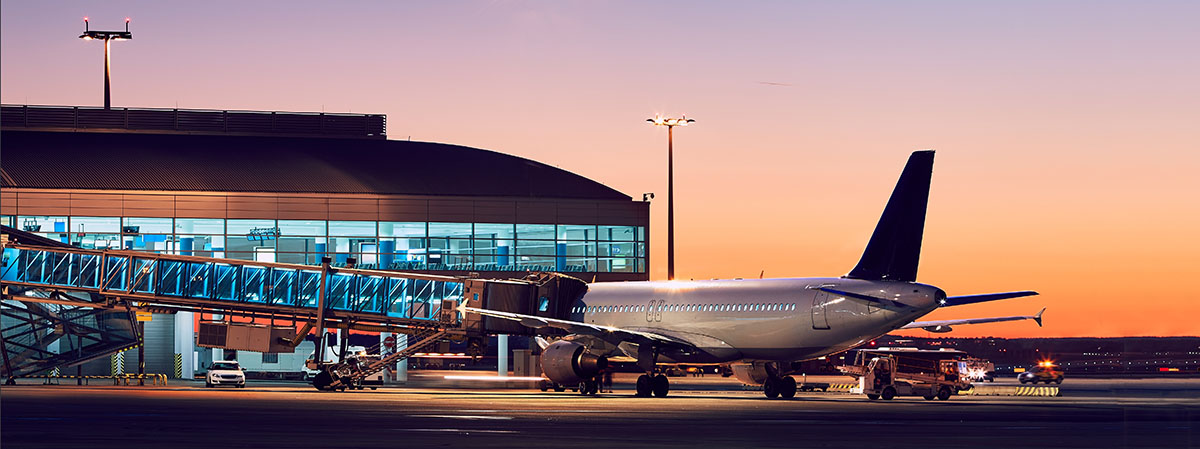
The aviation industry forecasts a doubling of the global aircraft fleet by 2030. By then, almost 50% of commercial airports will be operating at 95% or more of capacity. As a result, congestion at airports around the world is expected to triple.
Have we started pouring concrete yet?
Not quite. Despite the wealth and employment brought by the proximity of an airport, it is not easy to build - or expand - one. Airports profoundly alter the social, economic and environmental balance of the territory. They require enormous amounts of land. They generate noise. They collapse access roads. They damage surrounding biodiversity. They require - usually - the investment of large amounts of taxpayers' money. Some people even argue that they are unnecessary.
However, there are new airport developments all over the world.
Current land-use planning requirements shift airport development away from urban centres. In some extreme cases, airports are built on land reclaimed from the sea. This is the case in Chek Lap Kok, Osaka-Kansai and Nagoya. As a result, the cost of these airports is astronomical.
We must also remember that there have been very few new airports in the West. Denver, Montreal-Mirabel, Munich and Madrid-South are some of the few examples. Montreal-Mirabel was soon relegated to the role of a cargo airport; Madrid-South was closed, shortly after opening, due to lack of commercial activity. In the forests of southern Brittany, the construction of the new Nantes airport has failed to get off the ground. The chosen sites have become the battleground of the war declared against it by some fierce activists.
The above examples illustrate how difficult it is to build a new airport. As a result, airport authorities often choose to expand the capacity of existing airports. But we must be careful. Building a new terminal or a new runway at an existing airport is by no means easier or cheaper. The construction of Heathrow Airport's Terminal 5 became a minefield. The battle for the construction of its third runway is still ongoing. These are two good examples of what the public information process can generate.
Global regions will only withstand global competition if they have a high-capacity air transport system. And this is not easy. Is your region ready for growth?