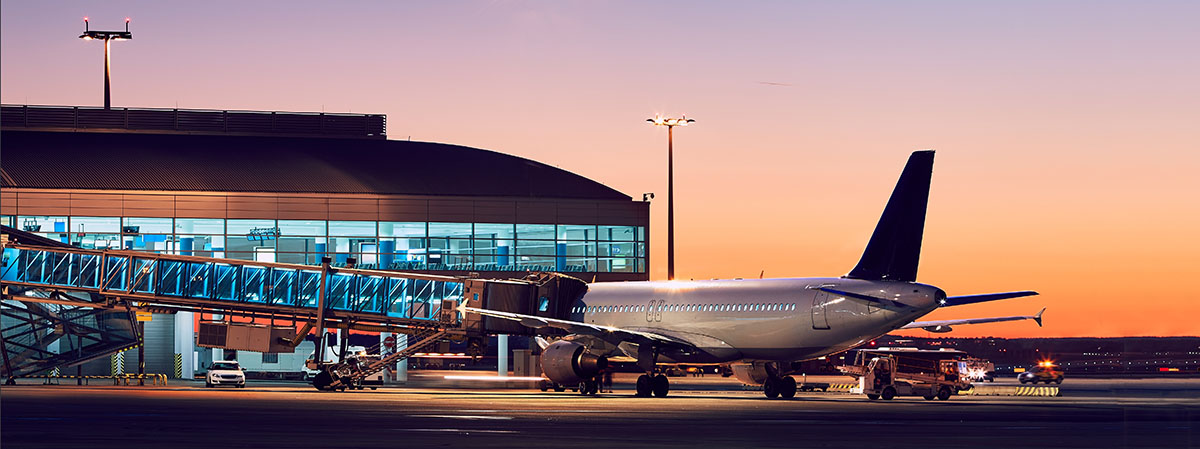
Every year, the global airport industry has a meeting point where ideas, technology and experience come together to define what tomorrow's airports will look like.
There are events that transcend their status as trade fairs. Passenger Terminal Expo (PTE) is one of them. With almost three decades of experience, it has established itself as the leading global forum for those who design, plan, operate and transform the airports of today and tomorrow. It is not just a trade show, but a place where knowledge is exchanged, trends are validated and the evolution of air transport is anticipated.
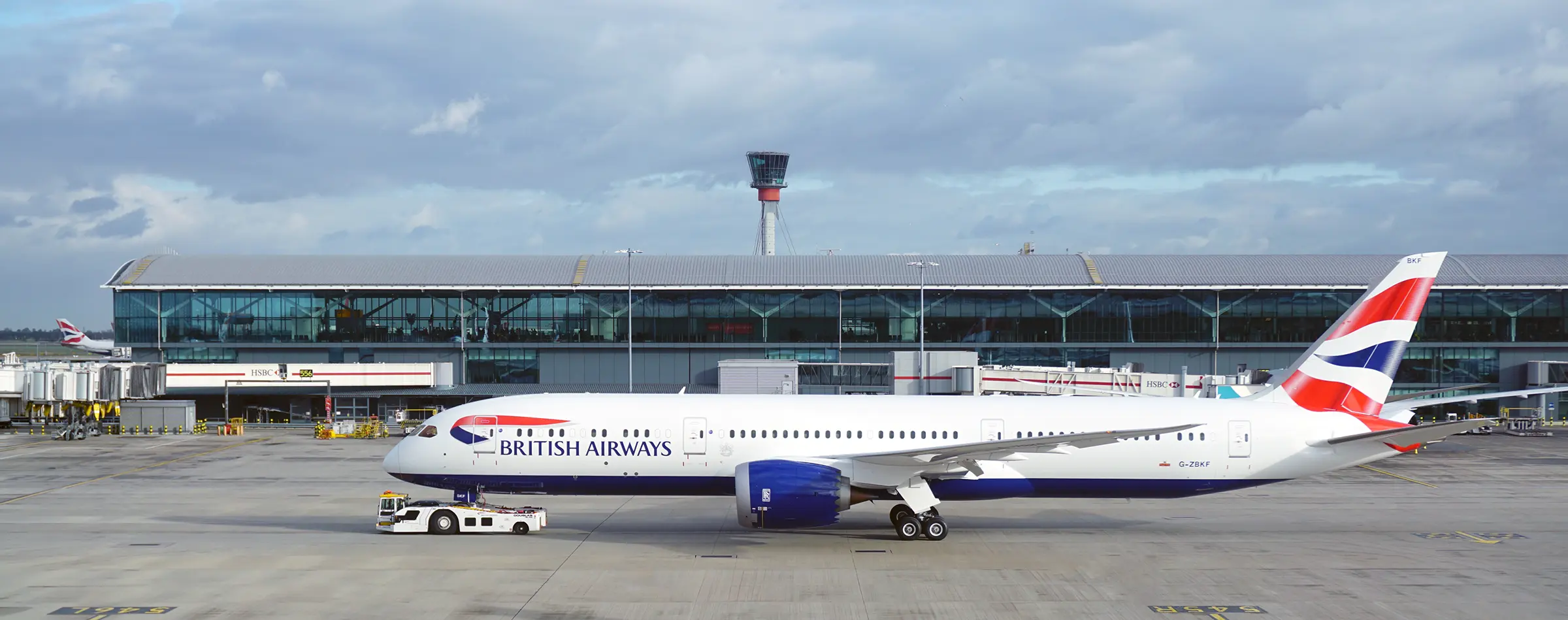
In 2026, the event will take on a special symbolic dimension as it will be held in London. Few cities better embody the history and global reach of aviation. Its metropolitan area is home to six international airports, making it one of the world's most important hubs. And for those who view aviation from a historical perspective, London holds a unique milestone, as its now-defunct Croydon Airport operated the world's first control tower, a precursor to a new vision of airport operations. Later, London City Airport also became the first large airport to implement this system, operating a large-scale remote digital tower in 2021. Celebrating PTE in this city is, in a way, connecting the memory of aviation with its future.
Passenger Terminal Expo was launched in 1997 as a trade fair specialising in passenger terminal design and operations. It did so at a particularly significant moment: airports were beginning to undergo a deep technological transformation, driven by process automation, systems integration and a growing focus on the passenger experience. That initial initiative quickly evolved into a global platform that integrates a trade show, international conference and strategic networking spaces.
Since then, PTE has served as a true barometer for the sector. What began as a relatively small technical forum is now the place where trends in airport planning are discussed and adopted: terminal digitisation, operational efficiency, sustainability, flow management, baggage automation, biometrics and real-time data integration. In an environment as complex and regulated as airports, where operational safety requirements, international regulations, pressure for economic efficiency and growing passenger expectations converge, having a common space for exchange is essential.
But the relevance of PTE is not limited to the exhibition of products and solutions. Its true value lies in the concentration of knowledge and decision-making capacity. Airport managers, planning managers, aviation authorities, airlines, technology integrators and engineering companies come together for several days in an environment where conversations are not incidental, but strategic. There, real cases are shared, expansion and modernisation projects are analysed, management models are compared and opportunities for international collaboration are opened up.
Attending Passenger Terminal Expo is therefore not merely an item on your agenda. It is an educational and strategic experience. First, it offers a comprehensive overview of the trends that are shaping the airport of the future. The combination of conference and exhibition allows you to understand not only what technologies are available, but also how they are being implemented and with what operational results.
Secondly, it constitutes a unique platform for professional connectivity. The opportunity to engage in face-to-face dialogue with key players in the sector, from airport managers to technology solution developers, generates an exchange of information that is difficult to replicate in other environments. Aviation is a global industry, but it is also deeply interdependent; airports do not evolve in isolation, but as nodes in an international network.
The fair also acts as a strategic validation mechanism. For those involved in the planning, investment or execution of airport projects, direct contact with international experiences allows them to compare their own approaches with established best practices. It is a space where technical decisions find context and perspective.
Finally, PTE fulfils a less tangible but equally important function: it inspires. The presentation of innovative solutions and open discussion of the challenges facing the sector stimulate new ideas and disruptive approaches. At a time when airports are facing challenges related to sustainability, operational resilience and comprehensive digitalisation, this inspiration is crucial.
In this context, AERTEC's presence at Passenger Terminal Expo is consistent with its activity and positioning. The company is participating once again this year to share its capabilities in technology, consulting and airport engineering, in an environment that brings together the decision-makers and projects that shape the global airport landscape. Being at PTE means engaging in dialogue at the same technical level at which the most demanding airport infrastructures are designed and transformed.
When talking about the airport of the future, concepts associated with automation, digital integration and sustainable efficiency are often used. However, much of that future is already taking shape in real projects. Passenger Terminal Expo is the stage where this transition becomes visible. And London, with its historical legacy and status as the global capital of aviation, is this year becoming the meeting point between what aviation was, what it is today and what it is destined to be.
Key topics related to this post: Airports