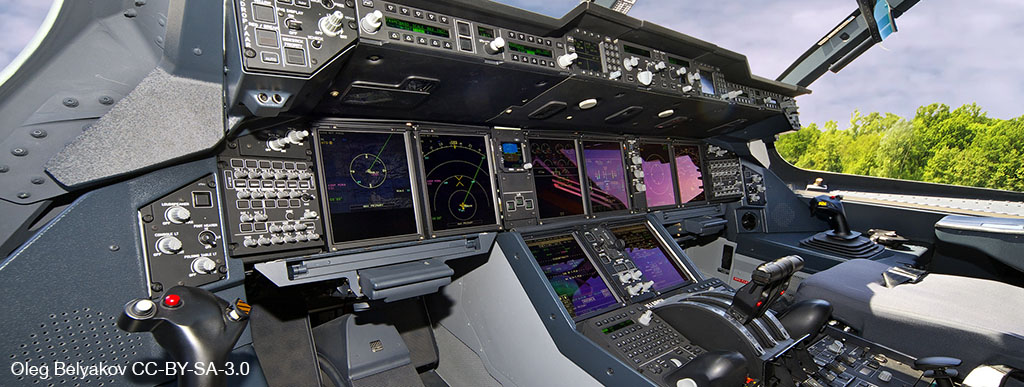
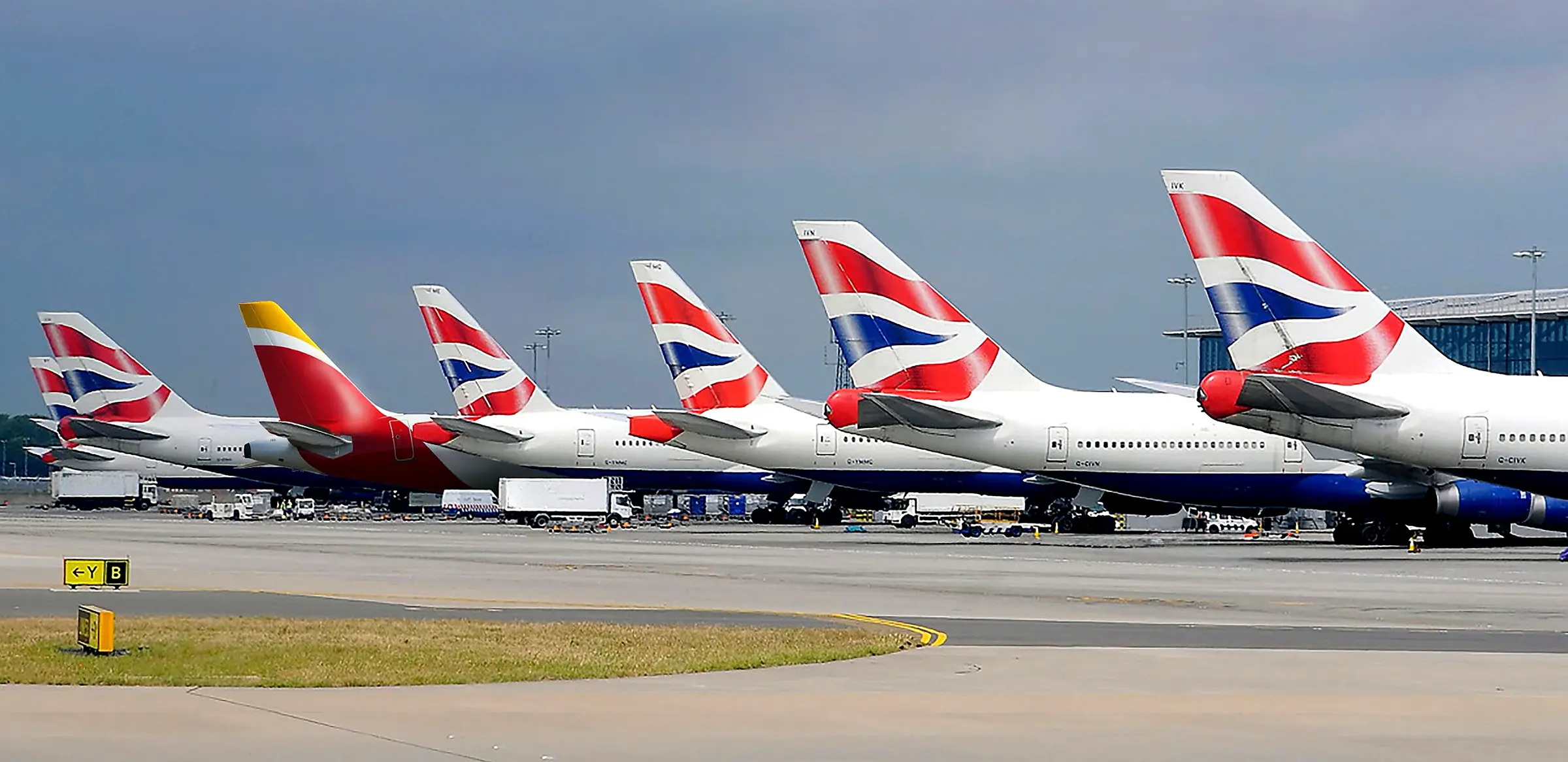
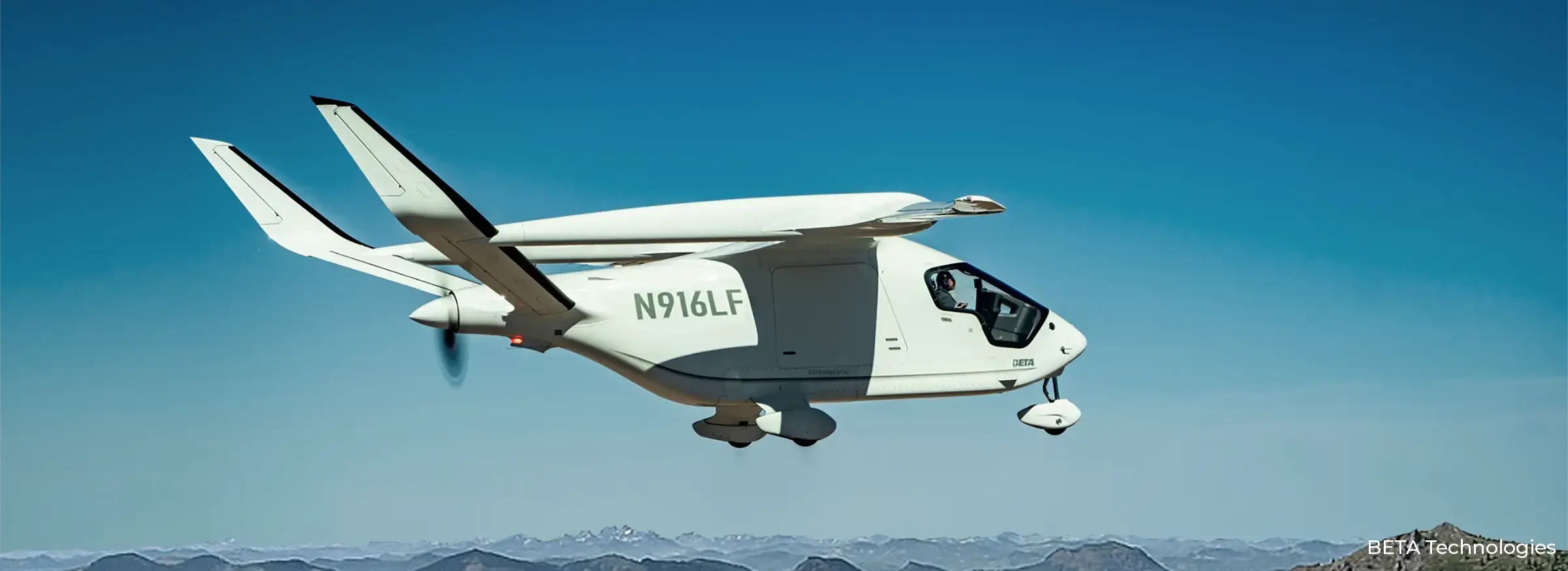
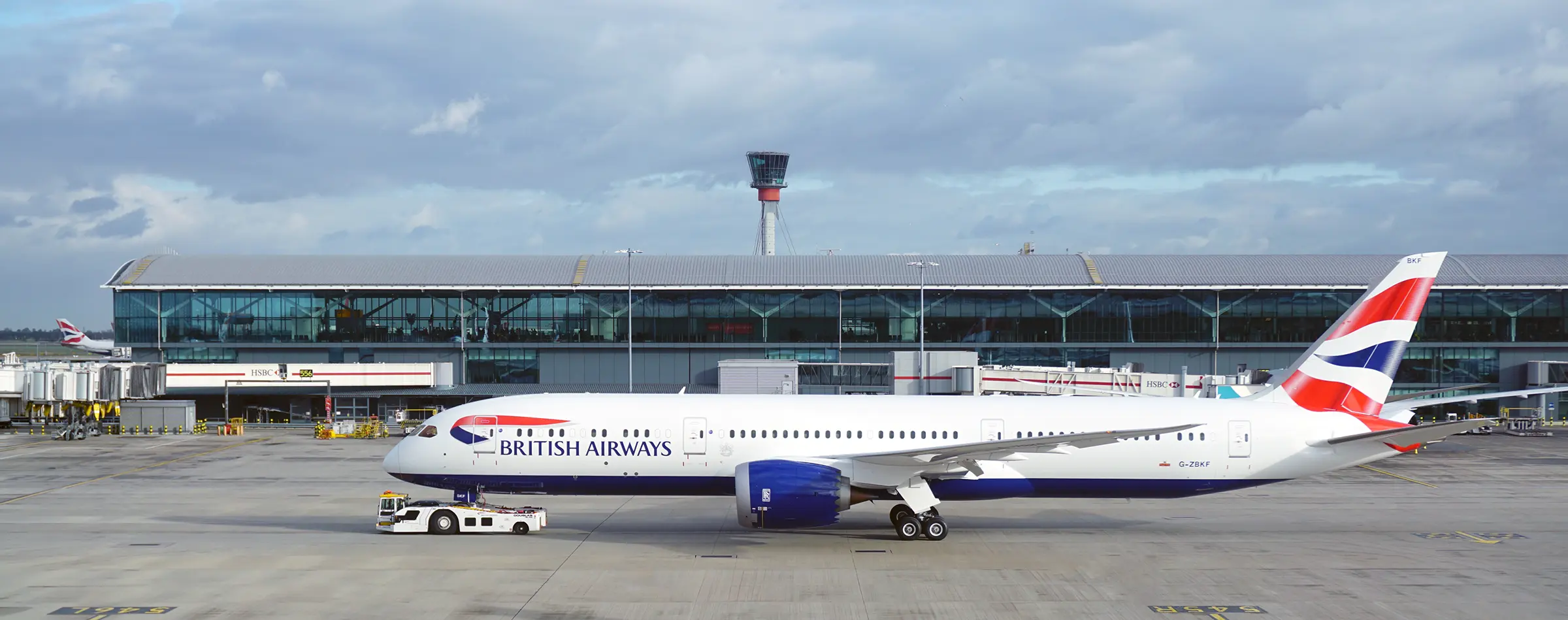
The system fly-by-wire or cable piloting was developed from the 1930s onwards for the purpose of facilitate pilot manoeuvring during flight. Until that time, the aircraft stick was connected directly to the ailerons, elevator rudder and rudder by steel cables. So when the pilot moved the stick or the pedals, the cables pulled on these control surfaces.
One of the concepts that has contributed and evolved the most to the improvement of aircraft control and efficiency.
This method allowed poor manoeuvring accuracy. As aeronautics advanced, aircraft became bigger and faster; consequently, so did the control surfaces. This meant that the pilot had to use much strength To move an aileron by pulling on a cable, mechanical and hydraulic systems were devised, based on pulleys, gears and other elements, so that moving the surfaces was easier.
The development throughout the 20th century continued and in the 1970s the replace the hand controls traditional of military aircraft by a electronic interface. With this development, the aircraft's movements were converted into electronic signals and it became a computer, which receives the pilot's commands through a joystick, which controls all phases of flight. In addition to increased precision, this means minimised hydraulics and a significant reduction in the overall weight of the aircraft. In addition, advances in computing made it possible to ship ever smaller and more powerful computers.
Bombardier in partnership with NASA incorporated a total electronic system Fly-by-wire without any kind of mechanical or hydraulic backup in the Apollo Lunar Landing Research Vehicle (LLRV), a prototype for training astronauts for lunar landings in the late 1960s.
The US military, as part of a multi-year experimental process, incorporated an interface Fly-by-wire fully digital (no mechanical backup system) to the Vought F-8 Crusader, which became the first fixed-wing aircraft to incorporate it.
Technology Fly-by-wire joined the commercial aviation The Concorde was first used in 1969, although for safety reasons mechanical control was retained for the emergency systems.
As manufacturers' confidence in this technology grew, mechanical controls were phased out.
The aircraft manufacturer Airbus has proposed a Fly-by-wire digital system in which, if the pilot is flying manually, the FCC (Flight Control Computer) is active at all times. If the pilot attempts to deplane or perform a turn outside the aircraft's limits, the FCC removes manual control from the pilot and autonomously stabilises the pilot.
Meanwhile, the manufacturers Boeing and Embraer reduced the performance of the Fly-by-wire giving the pilot more effective manual control, even being able to exceed certain limits in flight.
The concept fly-by-wire It did not stop there. Subsequently it has gone optimising technology The aim is to further reduce weight and increase the speed and reliability of information transmission.
It is undoubtedly a system that revolutionised aeronautics and contributed significantly to an increase in the comfort, safety and efficiency of the aircraft.