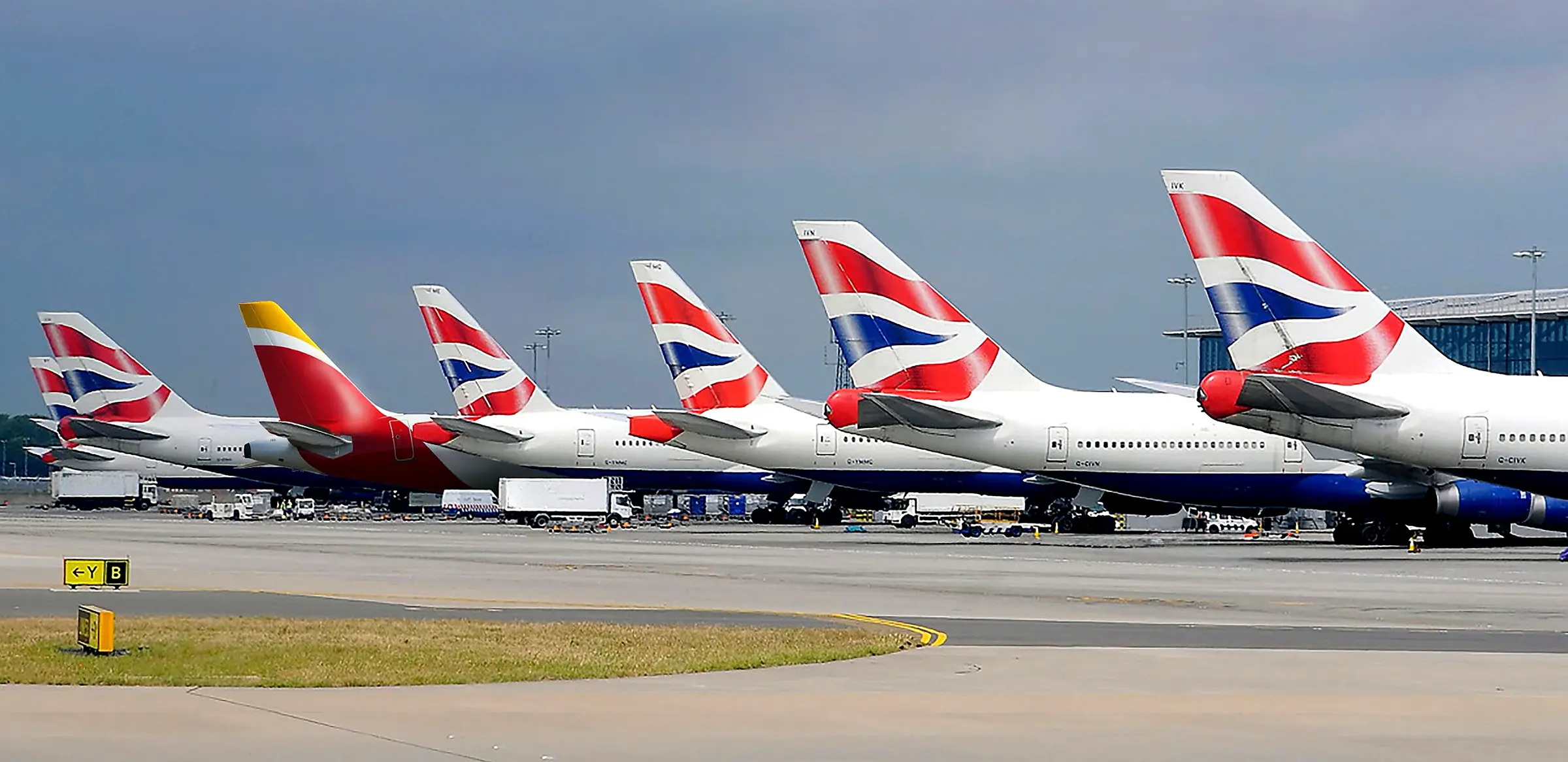
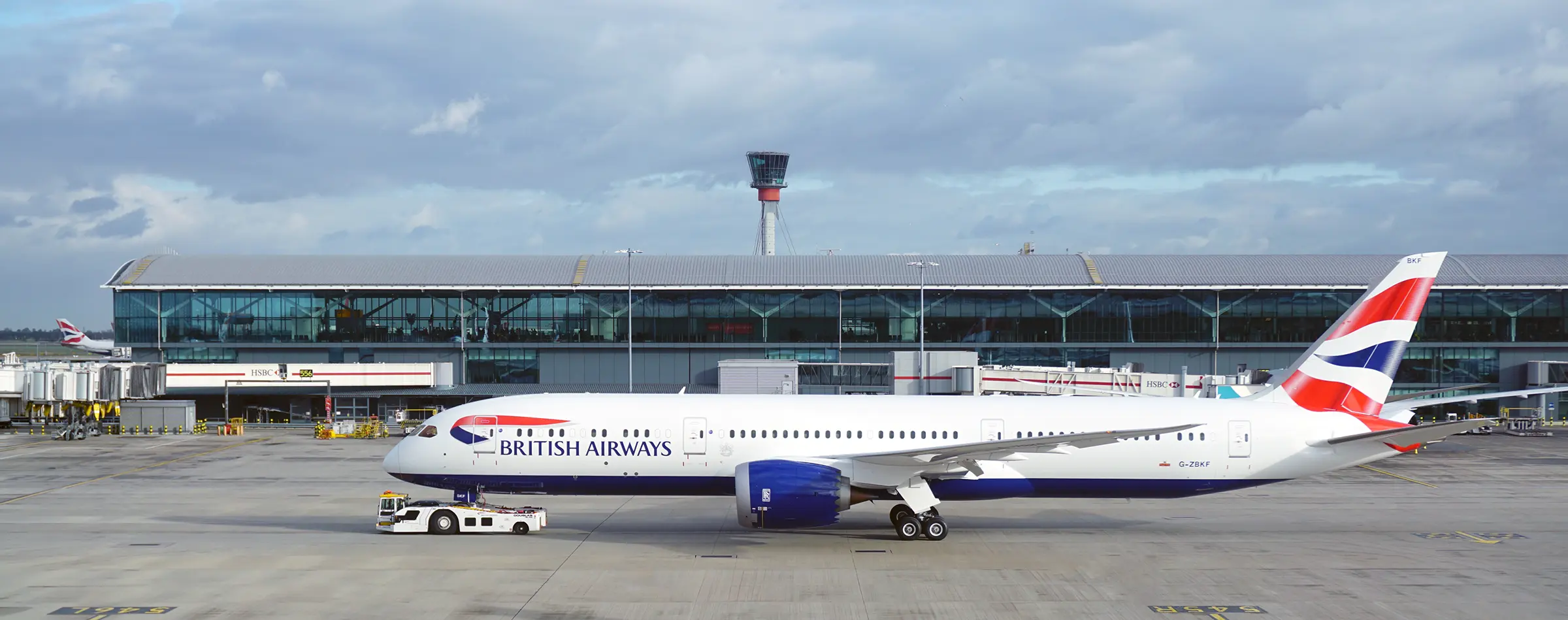
The shutdown caused by the coronavirus has hit airports hard. Passenger traffic was virtually zero and dozens of planes crowded the airports. Parking aprons do not always have enough space for so many aircraft.This forced many airports to use other paved (and even unpaved) areas, even if they are not designed for that use.
Aircraft parking in non-standard areas requires monitoring and assessment of the condition of the pavement to ensure that it is in good condition before resuming operations.
Traditionally, aircraft parking aprons have mostly been designed in the following ways rigid pavement (concrete), as it is more resistant to static loads than flexible pavement (asphalt). In addition, concrete is not susceptible to degradation by spillage of products such as fuel, oils, etc.
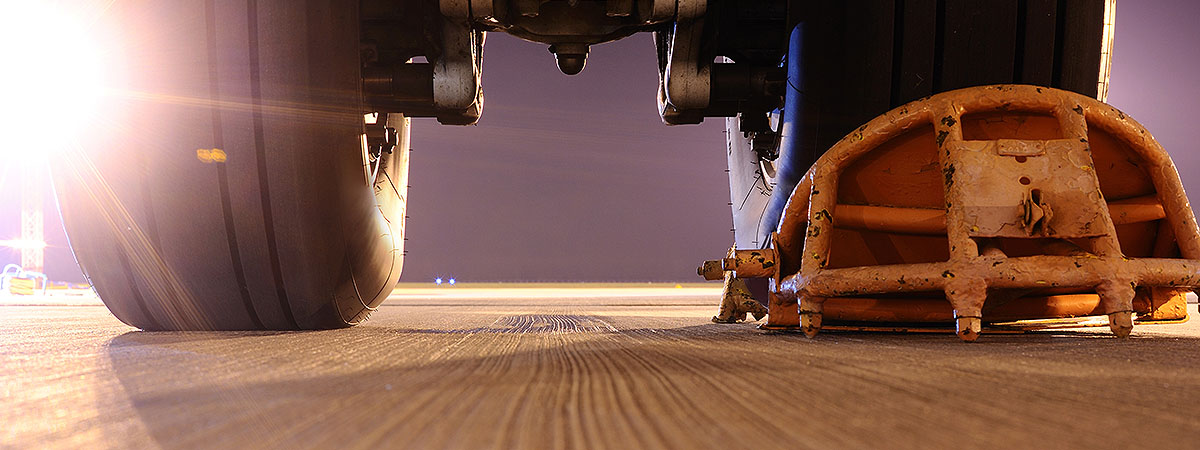
For weeks it has been commonplace to see images of airport runways converted into makeshift aircraft parking areas, but Is the pavement really ready for it? The answer is that, theoretically, no, or at least not on a long-term basis. The static load transmitted by the main landing gear of an aircraft to the pavement is enormous. If this load were to be prolonged over time, the asphalt pavement could begin to deform, due to its visco-elastic nature. These deformations could be more likely as we are now entering the warmer months of the year and the asphalt is more sensitive to the weather. high temperatures.
However, another aspect to bear in mind is that, if there are fuel spillsIn the presence of hydrocarbons, asphalt is more susceptible to react with this type of product. In the presence of hydrocarbons, asphalt bitumen could begin to dissolve, causing loss of cohesion and deterioration of the wearing course. This would adversely affect the surface characteristics of the tyre, such as macro-texture or friction coefficient, which are essential to guarantee adequate drainage and friction with the tyres, thus avoiding phenomena such as aquaplaning.
The combined effect of all these factors could lead to the appearance of pathologies in the asphalt such as soft patches, cracks, etc. that would reduce the service life of the pavement if not properly treated.. To prevent this from happening, various organisations (FAA, Airbus, etc.) have launched recommendations for optimising the mass parking of aircraftPrioritising parking in areas with rigid pavement, maintaining sufficient safety distances between aircraft to allow for aircraft maintenance, minimising aircraft loading, partial deflation of tyres, following manufacturers' recommendations, to distribute loads as far as possible, etc.
Once airports have managed aircraft parking, actions to preserve the asphalt pavement should go in two directions:
- As long as these areas are used for parking, regular monitoring The aim is to continuously monitor how the state of the asphalt is evolving and to detect early on any pathology that may appear.
- Before putting a runway or taxiway pavement back into service, perform an audit to assess its status. This audit should include, in addition to a thorough visual inspection, various tests to assess the real impact of this situation on the pavement. The results of this monitoring will make it possible to determine whether maintenance work is requiredwhether preventive or corrective.
Airports already carry out regular campaigns to monitor the condition of their pavements which, given the current situation, will have to be rescheduled to some extent. The ACI (Airports Council International) even proposes recertification of runways and taxiways used to park aircraft during the coronavirus crisis, before resuming operations.
But in addition to the pavement, there are other items that will need to be inspected and overhauled before resuming normal flight operations on these infrastructures, such as beaconing, painting, drainage network or excessive proliferation of vegetation and fringe animal species, with the resulting danger of FODs generation...
Mass aircraft parking at airports has been a challenge for airport operators. Resumption of operations poses an even greater challenge and pavements must be prepared for it.. Let us hope that aircraft will soon be taking to the skies with the same intensity as they did before the pandemic. In the meantime, we are facing a unique opportunity for airport managers to carry out maintenance work on its infrastructure that would normally be complicated and costlyThe airport's frenetic activity.