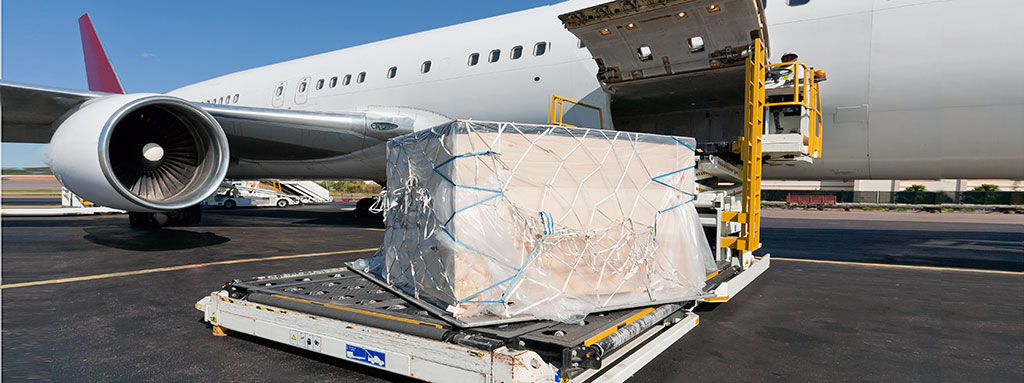
At this very moment hundreds of cargo flights are overflying the sky somewhere on the planet. Every night, airports receive millions of packages late in the evening. Computer systems scan, organise, collect and release them onto conveyor belts at different levels and in different directions. At the end of their journey, they are deposited in cargo containers, which are then loaded onto planes ready to depart. Long before dawn, they will have taken off.
Freight transport is expected to double in the next twenty years.
IATA estimates that "the total value of goods transported by air represents the 35% of world trade". According to Boeing, "freight transport is expected to reach more than double in the next 20 years".
Some inexperienced managers feel they are missing out. Air cargo could improve their airport's bottom line. Some succeed, but as a rule, air cargo is not as straightforward as it sounds. In fact, it remains one of the most misunderstood businesses in the industry.
Air cargo involves large investmentsWarehouses, unloading docks, parking areas, access roads, complex automated conveyor systems... Perishable goods increase costs even more with freezers, coolers, phytosanitary products... On top of that, some cargo requires customs control facilities and procedures.
The transport of long-haul air cargo accounts for more than 80% sector. This is because road transport is quite competitive. Very little short-haul freight, such as express parcels, can compete in this sector. On the other hand, low-cost airlines want nothing to do with freight.
Finally, air cargo must be directionally balanced. Traders may fill the hold with goods in one direction, but find that there are no goods to carry on the return flight. Air cargo operators must fill the available hold in both directions to make the route profitable.
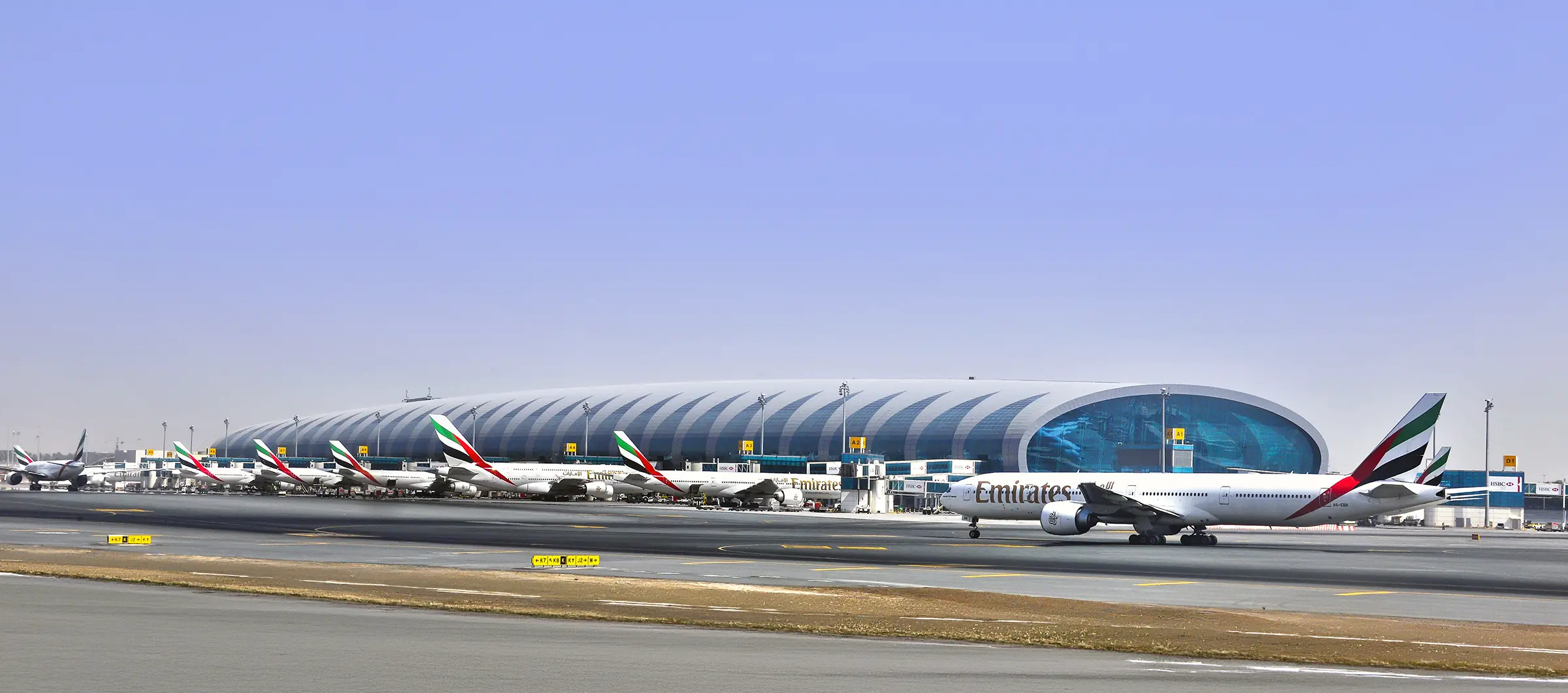
Area freight transport is a complex business. As a result, the transport of international air cargo is concentrated in very few hubs clustered in the world's major zones of economic activity. Could your airport be one of them?
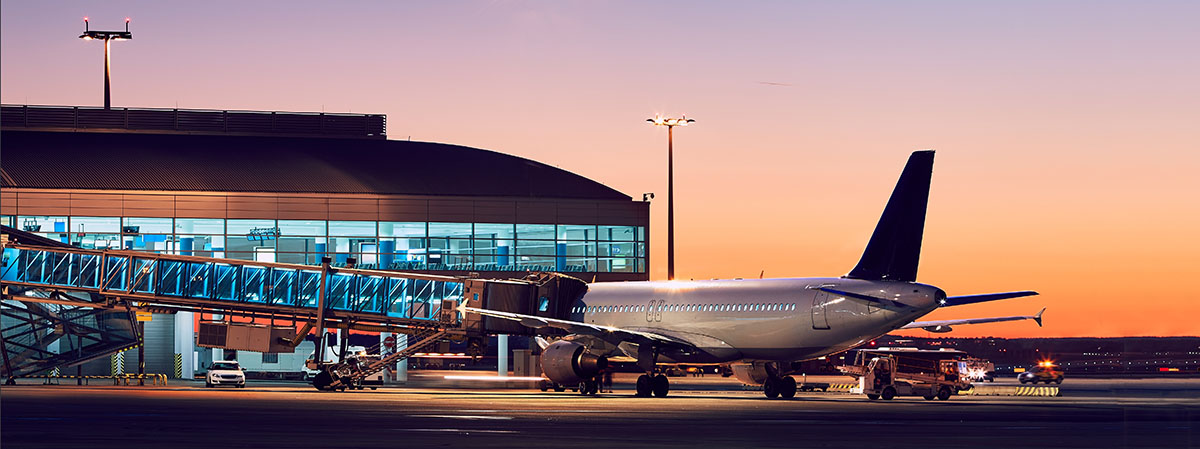
Air cargo operators are not necessarily looking for airports that handle large numbers of passengers. It is more important to have a strategic geographical location and good weather conditions. Moreover, there is no need to look for a big city nearby. The medium-sized metropolitan areas are more attractive. They usually offer good ground transport services with relatively less congestion. Finally, the operator must be able to operate on the runways on a regular basis. 24 hours a day, 7 days a week. Therefore, it is key that there are no restrictions on night flights, not even for noise abatement.
If your airport meets these requirements, you may have a chance. Now all you have to do is prepare your marketing plan, put it in your briefcase, hop on a plane and fly around the world a few times. Good luck!