When we travel by plane, we are hardly aware of the amount of technical and human resources that are put in place to ensure that our flight runs efficiently, comfortably and safely. The professionals who are usually closest to the passenger are the pilots and cabin crew, who have an undisputed leading role, but there are many other people who are directly involved in the development of the flight and who are less well known. Among them are the air traffic controllers.
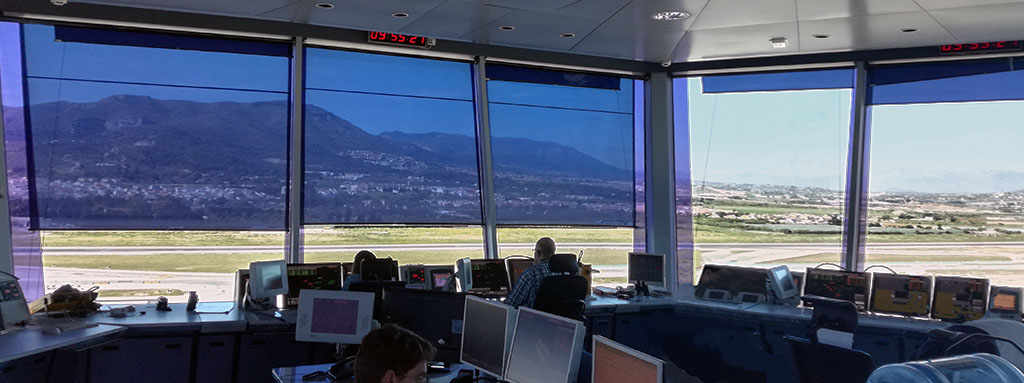
An aircraft is monitored at all stages of its flight by an air traffic controller, who ensures that everything runs smoothly.
Its task is to maintaining the flow of aircraft to make it as safe, fast and orderly as possible, complying with the rules and recommendations set forth by the International Civil Aviation Organisation (ICAO), the Federal Aviation Administration (FAA), or the aeronautical authorities of each country, in each case.
Each controller is responsible for tracking one or more aircraft operating in a three-dimensional space in the air, which is his or her area of responsibility. A controller "receives" a flight from another colleague, follows it along its route within his area of responsibility and finally "hands it over" to the next controller (in an adjacent area). The main tool of these professionals is radar, in its various formats and levels of complexity, which locates and identifies each aircraft in the airspace.
Throughout a complete flight, there are different types of controllers that are involved at some point in time. Each of them serves a phase of aircraft operation.
When the aircraft is still on the ground, there are professionals who are in charge of authorising the flight plans of the departing aircraft; they are the authorisation controllers (CLD). In the absence of such approval, the aircraft shall remain stationary at its parking point at the airport.
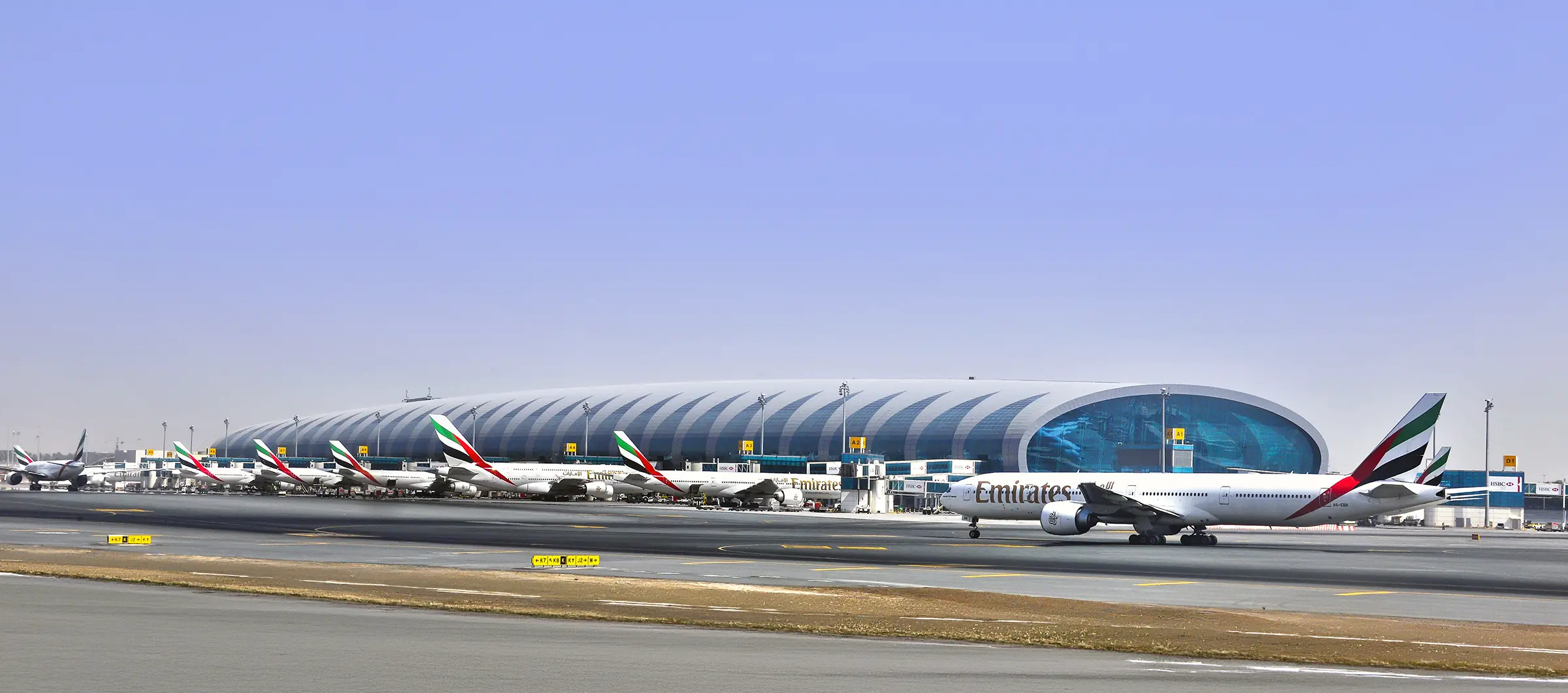
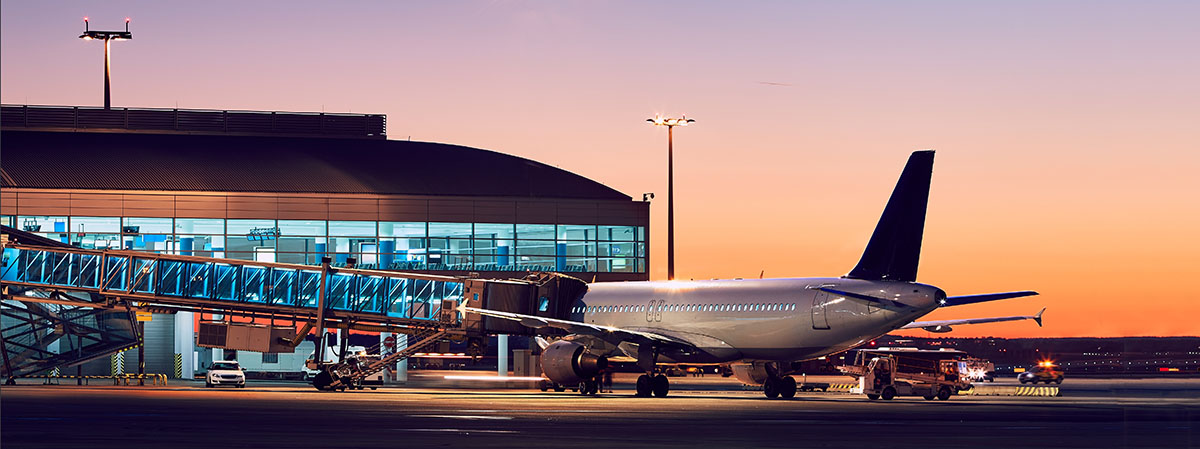
For its part, the ground controller (GND) is responsible for guiding the aircraft from start-up to the pre-take-off holding area. Or, conversely, once it has landed, from the time it leaves the runway until it reaches its parking and engine shutdown point. One of the tasks of the GND is to be aware of and inform the pilot of incidents occurring on the surface, as well as the traffic of auxiliary vehicles. In any airport, especially the larger ones, there is a continuous flow of ground vehicles dedicated to passengers (planters), crews and baggage, cateringThe following are the main functions of the vessel: fuel, fuel, cleaning, security, emergency, control, guidance or maintenance.
Once the aircraft has reached the runway head, it must wait until it is authorised to begin the take-off manoeuvre. This is done by the tower controller (TWR), who controls the visual flight rules in the airport environment. No aircraft may initiate either manoeuvre, take-off or landing, without his authorisation. One of its tasks is to provide pilots with updated information on the weather, work or incidents in the runway environment or any other parameter that may affect the operation.
When the aircraft has already lifted off or, in the case of an arrival, until just before landing, the person in charge of the aircraft is the approach controller (APP). Its role is key to linking the routing of aircraft to/from airport runways to/from airways or air routes.
The departure of an aircraft and its arrival at an airway is not complex. At all airports there are pre-established routes for aircraft to reach any of the surrounding airways quickly. These routes are reflected in the Standard Output Letters or SIDs (Standard Instrument Departure). The role of the APP ends at the moment the aircraft joins its route, handing over control of the aircraft to the next controller, as we will see below.
The process of approaching the airport is rather more complex. The reference to go from the various airways to the landing is the Standard Arrival Letters, STAR (Standard Terminal Arrival Chart). This process is particularly delicate for the approach controller, as it consists of bringing the aircraft from the different airways into a single, orderly queue before landing. In this queue, aircraft from different routes converge to land on the same runway. The additional difficulty is that each aircraft has a different speed and size, which needs to be taken into account so that they do not disturb each other during the whole process of approaching the runway. For example, in relation to speed, it is obvious that a slow aircraft cannot be placed in front of a fast one, as it would overtake it. As far as the size (and consequent mass) of each aircraft is concerned, the generation of turbulence at the rear of the aircraft has to be taken into account. Especially in the case of larger aircraft, a safety distance must be left so that the following aircraft is not affected. Sometimes this separation has to be many minutes.
The areas where all this hustle and bustle takes place are called CTR (Controlled Traffic Region or Controlled Air Traffic Region) and are airspaces associated with aerodromes that are intended to protect IFR exits and entrances (instrument flight). A CTR may include one or more nearby airports. Its lateral boundaries usually extend five nautical miles from the centre of the aerodrome.
Finally, we have the figure of the route or area controller (ACC), which is responsible for controlling the rest of the airspace, taking charge of the traffic established at each flight level. In general, control areas are distributed and organised independently within each country and are subject to common regulations. The procedures for transferring control of aircraft between adjacent areas, but in different countries, are fully defined by international and/or bilateral agreements.
An aircraft in flight is monitored at all times by a controller, who is informed by the aircraft's transponder of its identifier, speed, heading, altitude, position, registration, flight number and company. It is not easy to get lost.
Indeed, there are many professionals who are directly and indirectly involved in ensuring that our flight runs as smoothly as possible, and among them, controllers play a fundamental role. Happy flying.