There is a need for autonomous solutions that offer agility and precision in complex applications and versatility to operate in confined spaces and hard-to-reach environments.
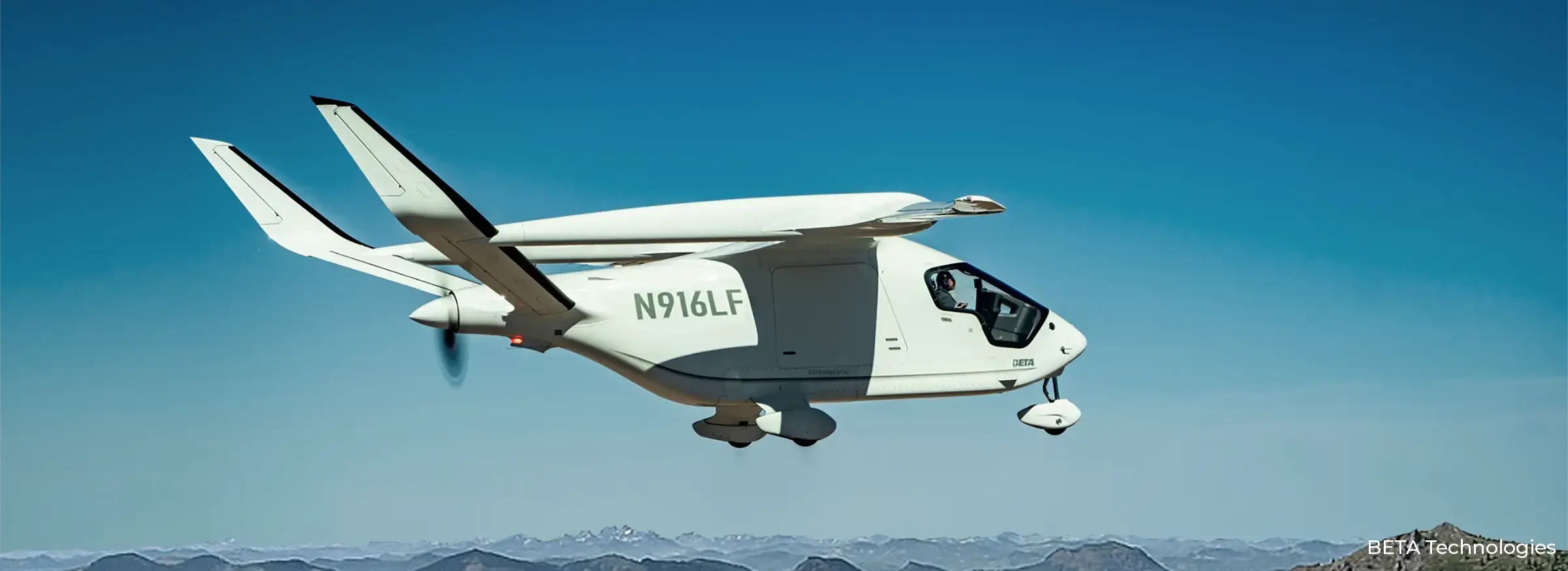
The sistemas de propulsión eléctrica están transformando la industria de todo el ecosistema de sistemas aéreos no tripulados (UAS) y más específicamente los de despegue y aterrizaje vertical (VTOL), ofreciendo soluciones sostenibles, silenciosas y eficientes. Este mercado ha evolucionado significativamente impulsado por la demanda de tecnología avanzada en sectores como la logística o la movilidad aérea avanzada pero también cada vez son más relevantes en la gestión de emergencias y en aplicaciones de Defensa y Seguridad.
The market for electric propulsion systems is in the midst of a rapid growth phaseThe growth of the electric vehicle industry, spurred by the need for sustainable solutions and technological advances to meet the needs of increasingly demanding operations, still faces major challenges in terms of range, cost and infrastructure. This growth includes both "pure" Electric Systems powered by rechargeable batteries, as well as "pure" electric vehicles. Hybrid Electric Systems which combine internal combustion engines with electric systems, the latter offering a greater autonomy and operational flexibility.
Hybrid propulsion systems include high-efficiency batteries, energy regeneration systems and smart distribution systems with the aim of extending flight range and autonomy through improved energy efficiency. Hybrid VTOL UAS use a combustion engine for sustained flight that can accumulate energy in batteries to power electric motors for take-off and landing phases or for phases of flight that require a reduced noise footprint due to the need to go unnoticed in some operations.
The use of advanced real-time energy management algorithms allows the use of motors and other electrical components to be dynamically adjusted to minimise consumption according to flight conditions. Also the development of artificial intelligence (AI) systems for route optimisation helps UAS use their energy more efficiently, extending the range of each mission.
Of course, there are still limitations of battery technology, since autonomy remains a major challenge for electrical systems, especially for long duration missions. On a purely physical level, the nomenclature normally used is SWaP: Size, Weight and Power to characterise the equipment, current batteries have a significant weight and volume which limits the payload carrying capacity of the vehicle which is the key to providing value-added services to end users in general and more particularly for SRI applications (Intelligence, Surveillance & Reconnaissance).
In particular, global demand has grown, driven by the need for stand-alone solutions that provide agility and precision in complex applications and versatility to operate in confined spaces and difficult to access environments with little or no infrastructure, giving them an operational advantage over other assets. Industries such as defence and security are promoting the adoption of VTOL UAS because of their ability to perform missions previously only possible with helicopters or light aircraft by integrating payloads such as EO/IR sensors, radars, electronic warfare systems, satellite links or sonobuoy launchers.
In any case, technological advances concerning new batteries with higher energy density combining sustainability with longer range, the integration of artificial intelligence and intelligent energy management algorithms, the improvement of fully automatic take-off and take-off systems or the use of navigation systems for GNSS denied environments will further optimise VTOL UAS systems in a still incipient, but with great potential, demand for hybrid aircraft.
IMPORTANT NOTE: References to texts and graphic content relating to the TARSIS solution are merely reviews of the historical trajectory of projects carried out by AERTEC in the past. Currently, TARSIS is not a product owned by AERTEC, nor does AERTEC conduct business as an OEM.