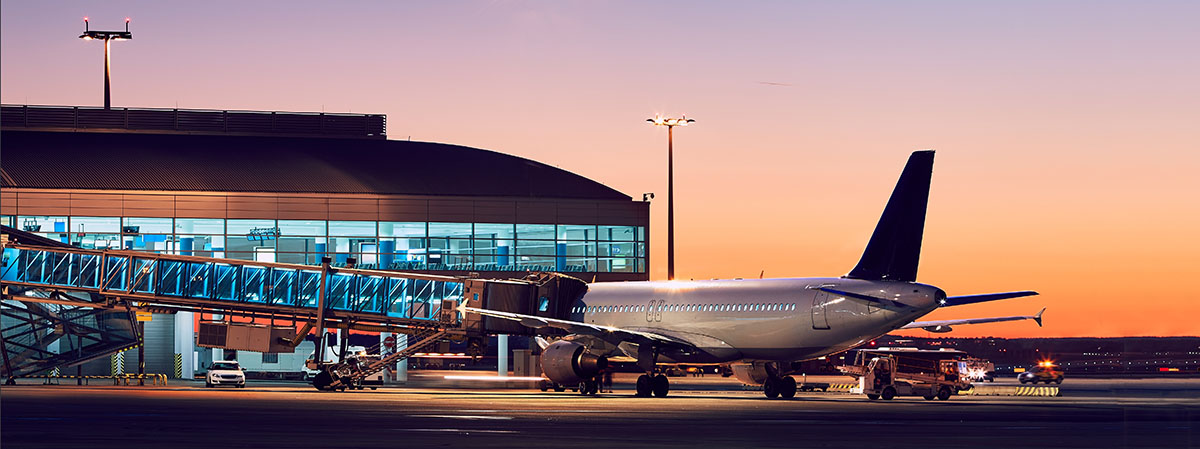
Airport management is no longer just about monitoring flights and ensuring that planes arrive on time. Nowadays, airports are complex economic hubs where business management plays an essential role.
In this context, management involves much more than simply running the airport's physical infrastructure. It’s a comprehensive approach that covers all operations carried out in the airport, from logistics, marketing, and finance to the user experience. Essentially, it’s about optimising operations, ensuring profitability, and offering passengers an exceptional experience, all while meeting the most demanding sustainability standards.
Al contrario de lo que se podría pensar, los aeropuertos no solo generan ingresos a través de los vuelos. Los comercios, restaurantes, servicios logísticos e incluso las actividades de ocio dentro de las propias instalaciones aeroportuarias contribuyen significativamente a la economía del aeropuerto. De ahí que el Airport Business Management se haya convertido en una disciplina que exige una visión estratégica global.
Key areas of airport business management
Let’s take a closer look at some key areas of airport business management:
- Revenue diversification
Profitability is the driving force of all airports. Revenue from landing fees or commercial flights is no longer enough to run these facilities. Modern-day airports are now creating new revenue streams. From premium shopping areas and hotels within the airport itself to coworking spaces and leisure services, airports are developing a diverse range of income sources that goes far beyond air transport.
This business model — known as a “multi-revenue airport” — aims to attract different customer segments. Luxury shops, gourmet restaurants, relaxation and wellness areas, and even business centres have become essential additions to airport facilities that enrich the user experience while boosting profitability.
- Innovation all around
La tecnología está cambiando, en general, todos los aspectos de nuestras vidas y los aeropuertos no son una excepción. Los sistemas inteligentes de gestión están optimizando cada rincón del aeropuerto, desde el control de seguridad hasta la gestión de las colas, pasando por la gestión de equipaje. La Inteligencia Artificial (IA) and the Big Data permiten anticipar los movimientos de los pasajeros y gestionar de manera eficiente el tráfico aéreo.
What’s more, thanks to digitalisation, airports can offer personalised services tailored to new needs. Just imagine your phone telling you when it's the best time to go through security, or being able to order your meal before you even reach the boarding gate. Automation not only streamlines processes but also improves the customer experience, making passengers feel comfortable and well looked after.
- Commitment to the future
Airports will focus on becoming more sustainable, not only for environmental reasons but also in response to the demands of consumers, who expect companies to act responsibly. Environmental management has become a fundamental aspect of an airport’s business strategy, from using renewable energy sources to implementing emission reduction technologies and encouraging recycling. Sustainability is no longer optional; it's a must.
For example, many airports are investing in solar energy systems to power their operations, or are starting to use electric vehicles to transport passengers around airport facilities. What’s more, energy efficiency systems help airports reduce their operating costs, which in turn increases profitability.
- The heart of airport management
Airport business management and the customer experience go hand in hand. In a world of ruthless competition, airports focus on making users’ trips a memorable experience from start to finish. This means providing exceptional services before, during, and after their flight.
Modern-day airports are becoming much more than just a place that users have to pass through on their travels. They are creating pleasant spaces that promote passenger well-being. Would you like to enjoy a coffee while you work at an office inside the airport? Or maybe you’d prefer to relax at a spa, or even get a workout in at the gym. An increasing number of airports are investing in areas where users can relax, as well as exclusive services that go above and beyond traditional expectations.
- Connectivity and other modes of transport
Connectivity is a must. Airports must be well connected, not only with flights to other domestic and international destinations, but also through transport links to the rest of the city. The implementation and integration of various modes of transport — such as the underground, buses, or high-speed trains — play a key role in airport business management, as they not only improve the passenger experience but also alleviate congestion and make it easier to reach the airport.
Investments in high-speed rail infrastructure that connects airports with other cities is crucial. Airports that are well integrated into the public transport system offer a more convenient and efficient mobility option.
And we mustn’t forget advanced air mobility. Airports will play a very important role in these systems as essential locations for building and operating vertiports.
- New business models and post-pandemic recovery
COVID-19 forced airports to rethink their commercial strategies. According to a report by BEUMER Group, to ensure their long-term viability and success, airports must evolve and adapt based on digitalisation and environmental commitment, rather than relying solely on the growth of air traffic. Innovative business models that can adapt to new market demands are needed for the sector's recovery.
- Air traffic management and infrastructure expansion
As a result of the increase in passenger traffic, airport authorities have made investments to expand their existing infrastructure. A report from Mordor Intelligence highlights that the air traffic management market is expected to grow by more than 6% every year between 2019 and 2029, driven by investments in infrastructure.
- Airport management training courses and education
As airport management is becoming an increasingly complex discipline, there is a growing demand for both highly trained professionals and specialised educational programmes. One example is the MSc in Airline and Airport Corporate Management offered by London Metropolitan University, which gets students ready to face the sector’s current challenges, including e-commerce, electronic strategies, and cutting-edge aviation technologies. There are many other similar specialised programmes, such as the Air Transport Management MSc at Cranfield University in the United Kingdom, which focuses on the operational and strategic management of airports using advanced technologies, and the MSc in Airport and Air Mobility Management at Embry-Riddle Aeronautical University in the United States, which offers intensive training in airport management and commercial aviation, with a particular focus on sustainability and regulations.
Todos estos programas están diseñados para dotar a los futuros líderes de la aviación de las habilidades necesarias para la toma de decisiones y la creación de soluciones innovadoras, garantizando que los aeropuertos sigan siendo competitivos y responsables.
- Terminal design and innovation
An aesthetic and functional airport terminal plays a very important role in the passenger experience. Abu Dhabi's Zayed International Airport is considered to be the most beautiful in the world, with a terminal valued at €2.7 billion and a design that uses geometric patterns to reflect the city's cultural heritage. This terminal is not just a feast for the eyes, but is also equipped with advanced technologies that make operations more efficient.
- Public-private partnerships and governance
La colaboración entre entidades públicas y privadas es esencial para el desarrollo y la gestión de los aeropuertos. Un artículo de Redalyc analiza cómo la privatización ha llevado a los aeropuertos a adoptar un estilo de gestión más empresarial enfocado en maximizar sus ingresos y reducir costos, utilizando nuevas estrategias comerciales y de marketing.
On the one hand, commercial development strategies are designed to diversify airport revenue streams by exploring new opportunities such as shops, restaurants, or other services located within the terminals. On the other hand, marketing strategies focus on promoting and positioning an airport as a commercial brand in order to attract more passengers and increase revenue from services.
Challenges and opportunities in airport business management
Si bien las oportunidades son muchas, también surgen varios desafíos. La competencia creciente entre aeropuertos, la necesidad de mantenerse al día con las regulaciones y la adaptación a las nuevas tendencias de viaje son solo algunos de los factores que requieren una planificación y estrategia empresarial de alto nivel.
In this context, flexibility is key. Airports must be capable of quickly adapting to any changes in the market, such as new travel patterns or fluctuations in demand. What’s more, strategic partnerships with other companies from the sector — such as airlines, service concessionaires, and transport operators — will be essential for creating a profitable ecosystem.
Where is airport business management headed?
Airport business management is currently undergoing a period of transformation that involves adapting to global challenges and changing passenger expectations. It's no longer just about logistics; it's about strategic vision. Airports that manage to integrate technology, sustainability, and the customer experience, all while diversifying their revenue streams, will prosper. The ability to adapt to and stay one step ahead of constantly evolving travel trends and the growing demand for more efficient services will determine airports’ position in the global aviation market, ensuring that they are not just places that people pass through to get a flight, but are genuine centres of economic and social development.
The key lies in integrating modern business strategies such as digitalisation or sustainability, always with a customer-focused approach. The future of airports will be shaped by the kind of experience and value they offer to each and every one of their users.