Improving the passenger experience should be the main objective of the stakeholders involved in air transport. To this end, the following are being developed new methods to help reduce passenger processing times at airports through the use of biometric technology, Risk Based Screeningcybersecurity, big data and augmented reality...
Few technologies can do so much to improve the personalised experience of each passenger as they pass through the airport.
Perhaps the first thought when talking about augmented reality includes the image of glasses, very useful in the professional environment, but certainly still far from being used by passengers.
For a technology to penetrate everyday life, it must be easy to use, cheap and easily replicable. For this reason, the application of augmented reality linked to the smartphones is presented as a very viable solution.
In the same way that millions of us have hunted for Pokémon with a phone, why not hunt for bargains at the airport?
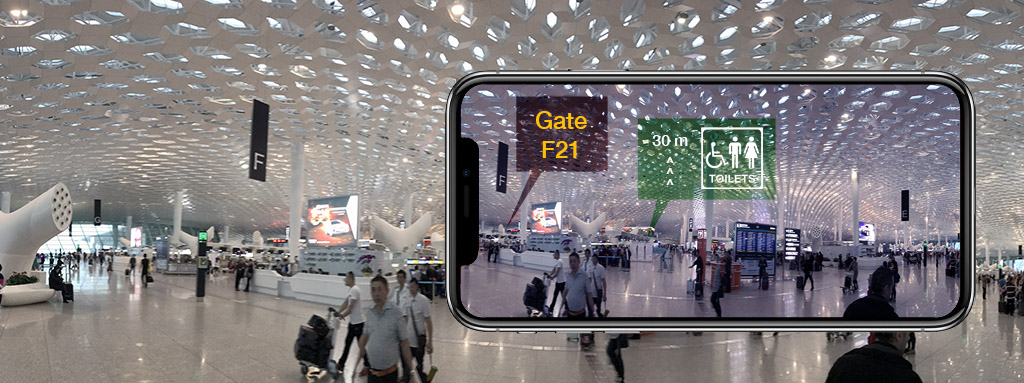
Improving the passenger experience is design a personalised experience for each of the millions of people who fly every year. To this end, thanks to augmented reality, we could have a ground service agent on each passenger's mobile phoneThe airport's airport guide will guide you through the airport to the different areas of the terminal according to your individual preferences.
Thus, after indicating our flight number, it will calculate the time we have available to enjoy the airport's leisure activities. It will indicate, for example, the types of food we fancy and the price range, and thanks to the augmented reality on our mobile phone, it will point us to the aisle and guide us with arrows on how to get to the recommended restaurants. We can also obtain additional information about the restaurants by receiving menus, 3D images of the dishes, etc.
Likewise, in the case of the commercial offer, we will receive information on offers, discounts...
Depending on our position in the terminalWe will notify you of the boarding time and the distance to the assigned gate. just in time warning us of the need to go there, as well as personalised help on how to get there.
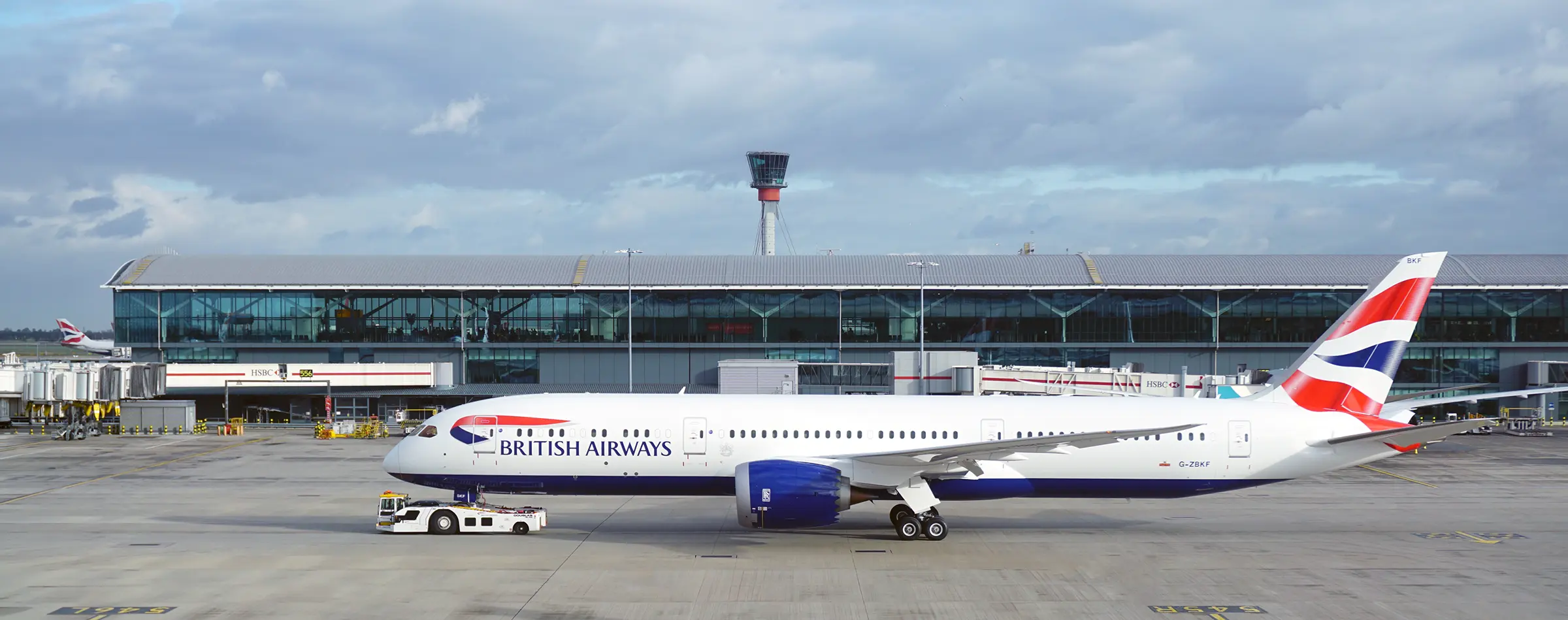
The use of augmented reality inside the terminal is geared towards enhancing the passenger experience, while its use outside the terminal is ideal for facilitating the operation of the handling of the aircraft.
Singapore airport, for example, already performs aircraft ramp and ramp handling tasks. tracking The use of augmented reality technology for baggage handling, which increases security and reduces baggage handling times, has been handling of aircraft.
The use of this technology means a reduction in aircraft turnaround times, resulting in a threefold benefit: for the airline by increasing the hours of use of the aircraft; for the airportby reducing platform capacity problems; and for the passenger, by reducing the likelihood of delays.