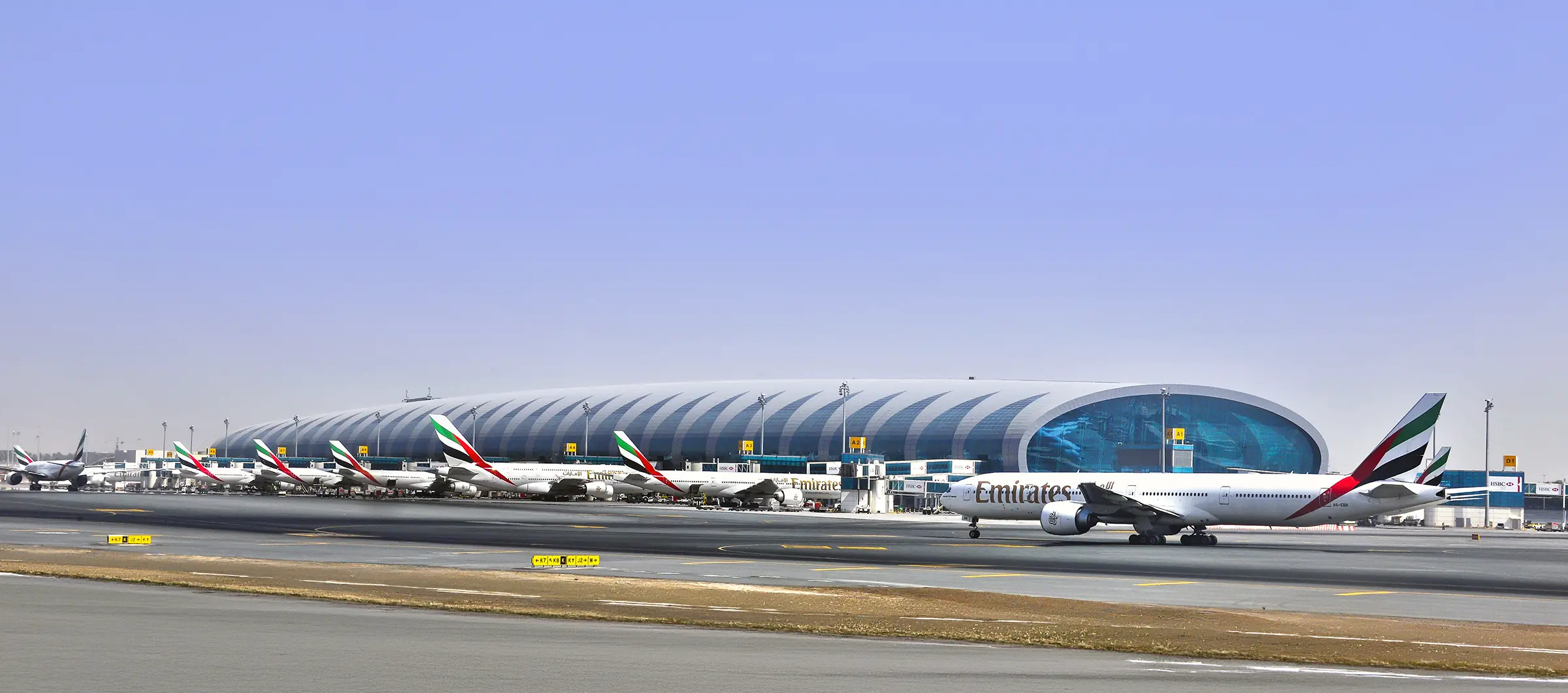
It is the only point of contact between the aircraft and the ground, as well as a key element for take-offs and landings.
Any aircraft today is the product of a complex engineering process in which every part or system is important and where the landing gear plays an essential role. Let us not lose sight of the fact that it is the only point of contact between the aircraft and the groundThis affects such important manoeuvres as taxiing, take-off and landing.
In fact, it is a system that fulfils three basic missions: support the aircraft, enable movement on surface (steering and braking) and cushioning the impact on landing (shock energy absorption).
The landing gear may be of different types or configurations depending on its geometry, the wheel arrangement, its articulation, the type of suspension or the type of surface on which the aircraft must move.
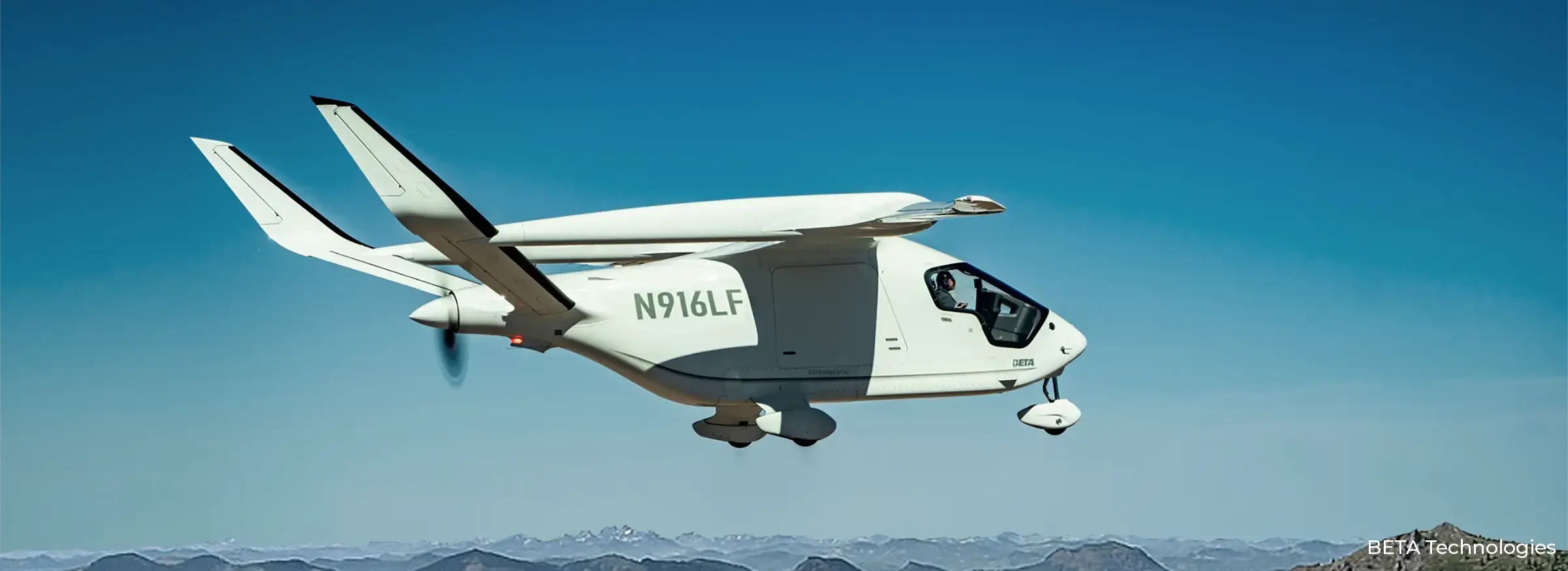
From small aircraft where the landing gear consists of three wheels in a V-arrangement (tricycle) to the huge Antonov An225, with a landing gear consisting of 32 wheels (28 on the main gear and 4 on the nose gear), there are a multitude of variants to suit every need.
In this infographics we explain the main characteristics of an undercarriage, its types, its operation and some curious details that will surely be of interest to you. We hope you enjoy it.