The distribution of propulsion is one of the big bets within the configurations that will make it possible to electrify the propulsion system, achieving more efficient, silent and sustainable aircraft. In this case, we would be talking about Distributed Electric Propulsion, DEP for its acronym in Englishas one of the key architectures for the Most Electric Aircraft and the emerging urban air transport market.
The concept of distributed electric propulsion falls under the umbrella of general distributed propulsion, where thrust is produced by a series of propulsion elements located throughout the aircraft. However, in this article and in line with the ambition of the industry, a distributed propulsion system should be part of the improvement in overall aircraft efficiency, capabilities and performance.rather than simply any aircraft with more than one propeller.
The aircraft industry currently has two main lines of development: all-electric propulsion and hybrid propulsion. Each seems to have a specific market segment assigned to it.
Distributed electric propulsion has two major attractions, both associated with increased aircraft efficiency. Firstly, the strategic location of the numerous propulsive elements along the wing span allows for a greater efficiency of the aircraft. aeropropulsive integration, resulting in an aircraft with improved overall efficiency. One of the main ways in which efficiency is increased is by reducing the drag induced by wingtip vortices when thrusters are placed in this area, thereby reducing the propulsive requirement of the aircraft.
Furthermore, a derivative advantage that has been key to the electrification of propulsion is associated with this reduction in propulsion requirements. As a result, current batteries, with insufficient technology to provide the electrical needs of current designs with the required mission characteristics, are capable of fully or partially powering small aircraft: regional aircraft with less than 10 passengers, and urban and intercity transport, both passenger and cargo.
The second major advantage of distributing the propulsive weight at different points is that it opens up a new range of design possibilities, with configurations ranging from the six engines on the wing of the EcoPulse designed by the Airbus, Daher and Safran consortium to the 20 engines proposed by the German Lilium Jet design. This flexibility in design allows numerous configurations to be explored, as well as different propulsive strategies throughout the mission, allowing operations with a higher degree of optimisation and fewer design trade-offs, which contribute to the increased efficiency of these aircraft.
Industry is currently studying two main working groups: an all-electric propulsion and a hybrid propulsion.where part of the power requirements are covered by the well-known combustion. The choice between the two power plants will depend on the needs of the mission. The reason is that a 50-passenger transport aircraft is not capable of flying exclusively with today's battery technology, although the market is convinced that, in about 10 years, such aircraft will be a reality.
The aeronautical revolution will come in the form of all-electric plants, currently with viable application before the end of the decade in the urban, intercity and regional transport market with less than 20 passengers. The first two cases, the urban and intercity markets, make use of propulsion distribution, among others, for safety reasons, where the redundancy of the different systems plays a major role from the point of view of certification.
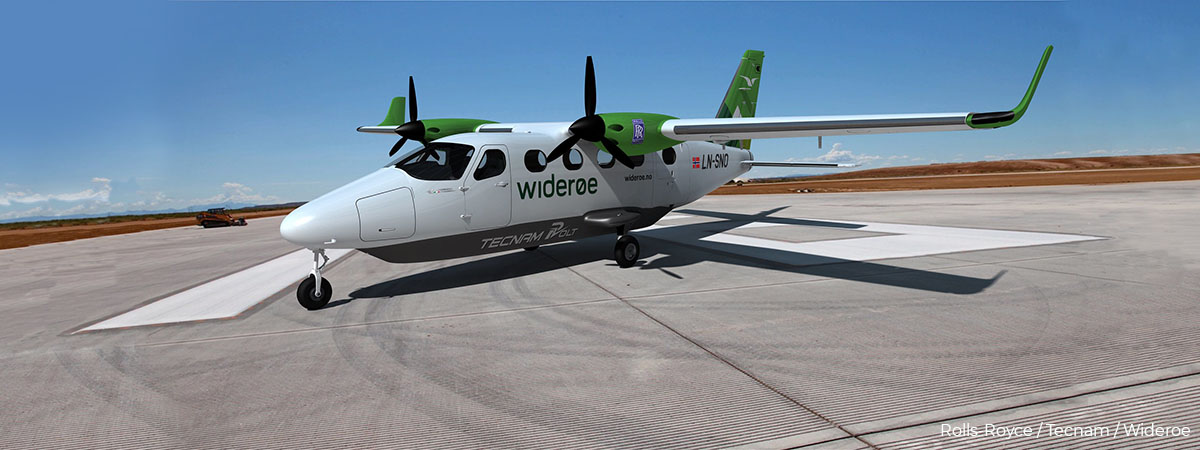
For the regional market, the use of all-electric propulsion is possible, as demonstrated by Rolls-Royce, Tecnam and Norwegian regional airline Widerøe, which expect to start operations in 2026 with the P-Volt, a big step towards Norway's ambitious goal of making all domestic flights emission-free by 2040. However, one part of the market is focusing its efforts on hybrid propulsion. This is the case for Airbus, Daher and Safran, which are developing the hybrid-electric EcoPulse, with a gas turbine in the nose of the aircraft to generate the electricity needed by its six electric motors distributed around the wing and, at the same time, to power the propeller in the nose of the aircraft. This demonstrator will serve to establish the technology and pave the way for larger designs.
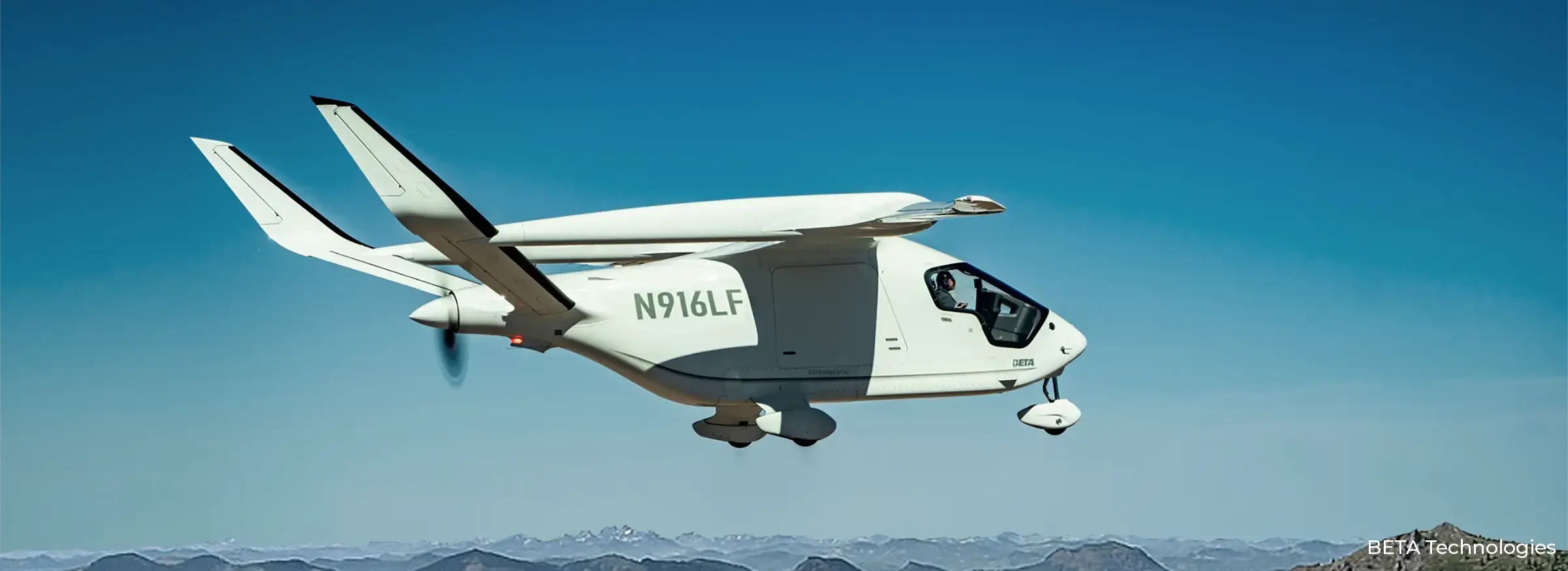
As for the eVTOL market (electrical Vertical Take-Off and Landing), will be presenting hybrid-electric and all-electric designs to society in the coming years, gaining the confidence and support for this technology in larger aircraft. A wide variety of configurations will be seen: from wing and rotor vehicles to rotorcraft, with fixed and tilting propellers and wings, different engines for different phases of flight, and so on.
All these options, both in the regional and eVTOL markets, are based on the flexibility, redundancy and efficiency offered by distributed electric propulsion to offer the market various models for passenger transport, cargo, ambulances, logistic missions, rescue, parcel delivery, etc. The opportunities offered by propulsion distribution to take that first step towards sustainable aviation are undeniable and will soon become a reality.