At the beginning of 2020, no one could have suspected a pandemic like the one we are currently experiencing. In fact, since the last world war, there has been no comparable event in terms of its scale. overall impact on the economy, society and, specifically, on health. The aviation sector has been no exception.
Much of the economic development of the last half-century century has been linked to air transport. Globalisation, initially driven by information technology, has been brilliantly supported by a sector that has facilitated the mobility of people and goods on an unprecedented scale. Many sectors have grown or become more competitive thanks to the advance of aviation.
Much of the progress of 21st century society has been driven by advances in air transport, one of the sectors most affected by the coronavirus pandemic.
Paradoxically, the COVID crisis19 has had the mobility of people as a great ally. One of the attributes of this coronavirus is its enormous ease of contagion, making the globalised society of the year 2020 an optimal breeding ground. From now on, we know that the threat will always be present and we will have to learn to anticipate it. This is the first lesson learned.
Confinement seems to be the best preventionThe first countries to be hit by the pandemic, China and South Korea, have demonstrated this. If we focus on the aviation sector, the confinement and closure of borders has had the immediate effect of drastically reducing and even paralysing air transport. As a consequence, the entire industry is affected in a short period of time.
According to the International Air Transport Association, IATA, the airline industry had a long-term annual growth rate of 5.5% at the beginning of 2020. In the current scenario, where governments are slashing travel and airlines are cancelling flights and mothballing their fleet, passenger revenues are shrinking to zero. This leads to a loss of operating cash flow The airline industry has already requested state support for the next few months to the tune of tens of millions of euros, in addition to customer refunds. Some airline executives around the world have already called for state support in the face of plummeting passenger traffic.
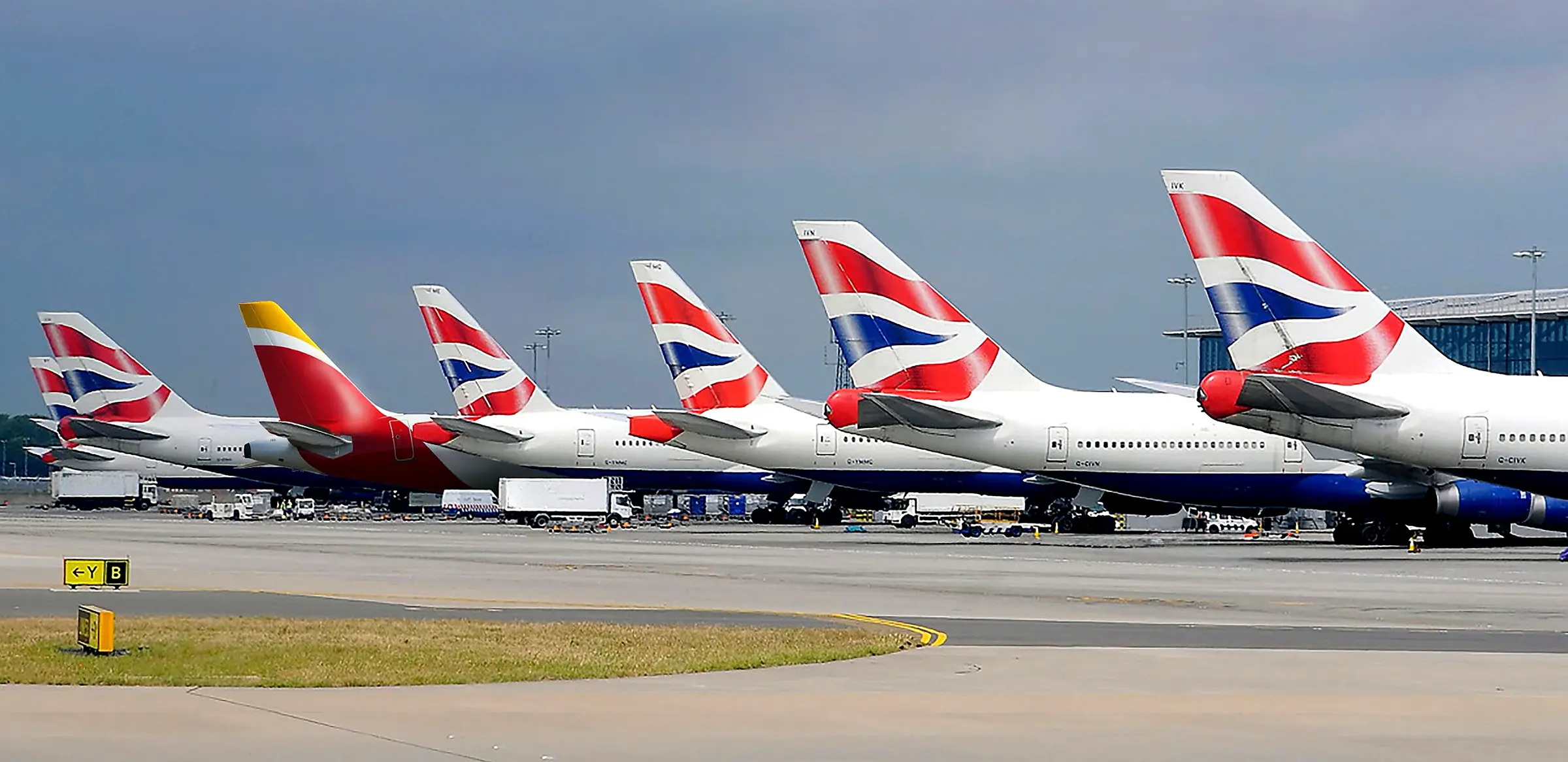
The next consequence in the chain of events is that many of the airlines are not going to have capacity to maintain their existing fleetsdirectly affecting the rental companies or leasingwhich currently account for more than one third of the aircraft in operation. In the same vein, operators with aircraft orders in progress will be quick to negotiate with manufacturers for a delay in deliveries and, in the worst case, a cancellation.
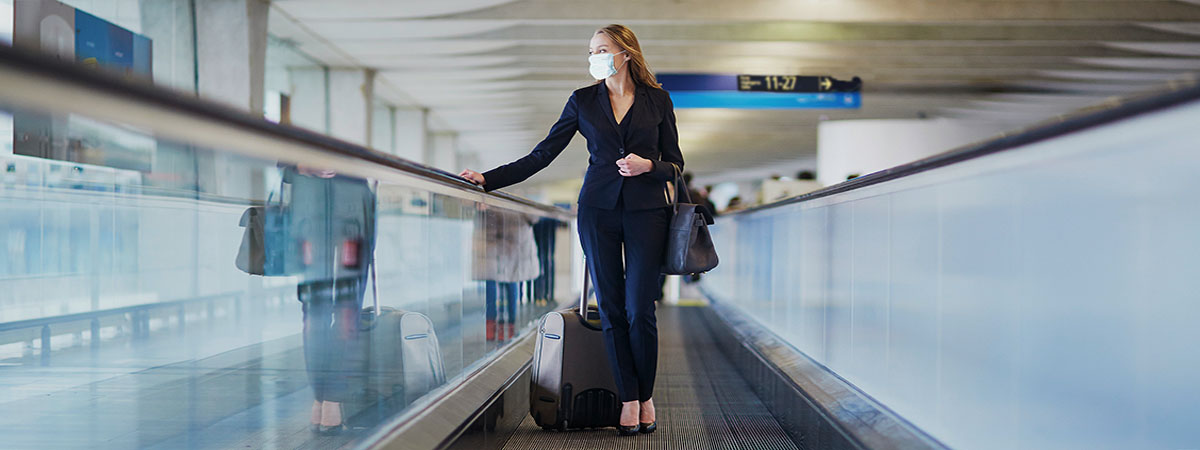
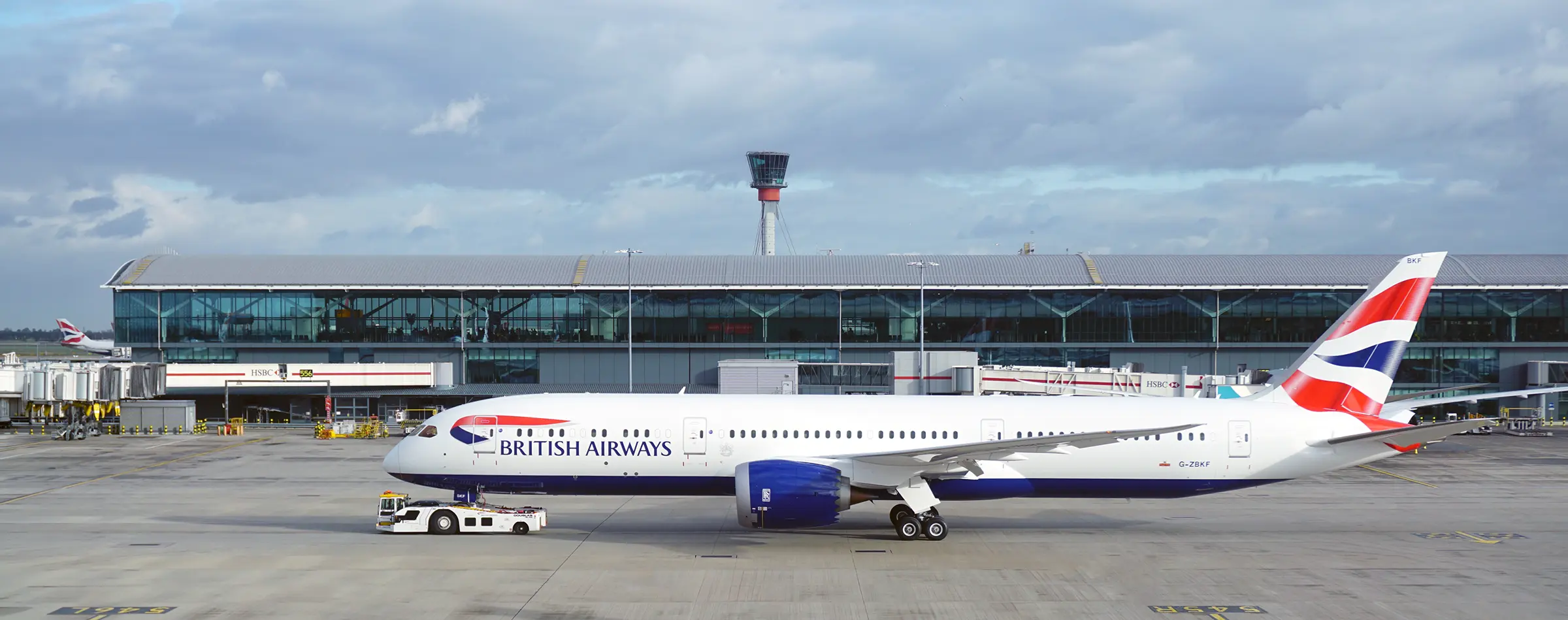
In the airport context we are already seeing empty terminals. Most of the international flights scheduled for the next few days anywhere in the world are dedicated to the repatriation of residents who have been caught unawares by the health crisis far from their places of residence. Domestic flights are reduced to a minimum as a result of the mobility restrictions decreed in dozens of countries. For airports, it not only means bringing their activity down to a minimum in the immediate term, but the closure of their commercial areas, a pause in the activity of airport service companies and the reduction of their operating revenues to practically zero.
Another link in the chain of consequences corresponds to the auxiliary business fabric The airport-based industry, which is inevitably sharing the same trend, is also moving around the airports.
In relation to the aircraft manufacturing industry and its supply chain, three factors come together at this point: in the very short term, the necessary adoption of preventive measures in the factories themselves to prevent the spread of the coronavirus. Secondly, the lack of supply of some components which are essential to secure the assembly line. This will lead to an immediate reduction in productivity. And thirdly, in the medium to long term, the airline crisis, which will lead to an immediate reduction in productivity. decrease or even cancellation of its orders for new aircraft.
As in the case of airports, the entire business fabric linked to aeronautical manufacturing will be equally affected.
At the same time, the same sector is being an essential foothold in the fight against COVID-19. Aircraft are playing a vital role in the rapid delivery of supplies, mobility of medical teams or repatriation of citizens. Communications satellites enable communications and broadband to be maintained. Military transport aircraft allow for the immediate deployment and support of military emergency units. In short, there are many areas where aeronautics is playing a key role.
Never before have we in the aviation sector faced a scenario like this and we must not be complacent in addressing the true magnitude of this crisis.
At this stage, the priority is to put into practice all measures to limit the spread of the pandemic. The length of the crisis is critical. The wound is very deep, but it is its duration that will determine the extent of the damage. At the same time, it is our responsibility that productivity is maintained as far as possibleIn order to achieve this, it will be necessary to modify tasks, adapt procedures, incorporate new processes and carry out a detailed analysis of each of the areas of our companies that are affected.
The objective that we must prioritise in any case is the implementation of measures to ensure business continuity. Firstly, because in this way we are helping to reduce the terrible social burden that the state has to bear in these dramatic circumstances. Secondly, because this is the only way to maintain an industrial structure which, once this period of fighting the virus is over, will enable us to produce and maintain jobs, generate tax revenue and act as a driving force for the economy.
Once we have overcome that first challenge, it is time to look at what we will face next.
To begin with, we will have before us a society traumatised by an almost war-like episode, for which it was neither prepared nor warned. Millions of jobs lost and tens of thousands of small businesses that will not be able to start up again. Governments with a medium-term debt commitment to repair the damage caused by the pandemic and with battered coffers after the recent need to deal with the worst moments of the crisis. And, of course, a badly damaged productive environment that will have to start up again little by little.
The day after won't be easy. It will be hard and many sacrifices will have to be made. Together we have an obligation to learn from this event in order to rebuild the business fabric and make it stronger and more productive. I am convinced that it is possible.
It is time, however, to consider reasonableness, responsibility and effortBoth to face the present moment and to start the necessary recovery. But, above all, it is an opportunity like few others for all of us to be united. This may be the great lesson of what globalisation means, and we must learn from it to face the new challenges that await us as a planet.